
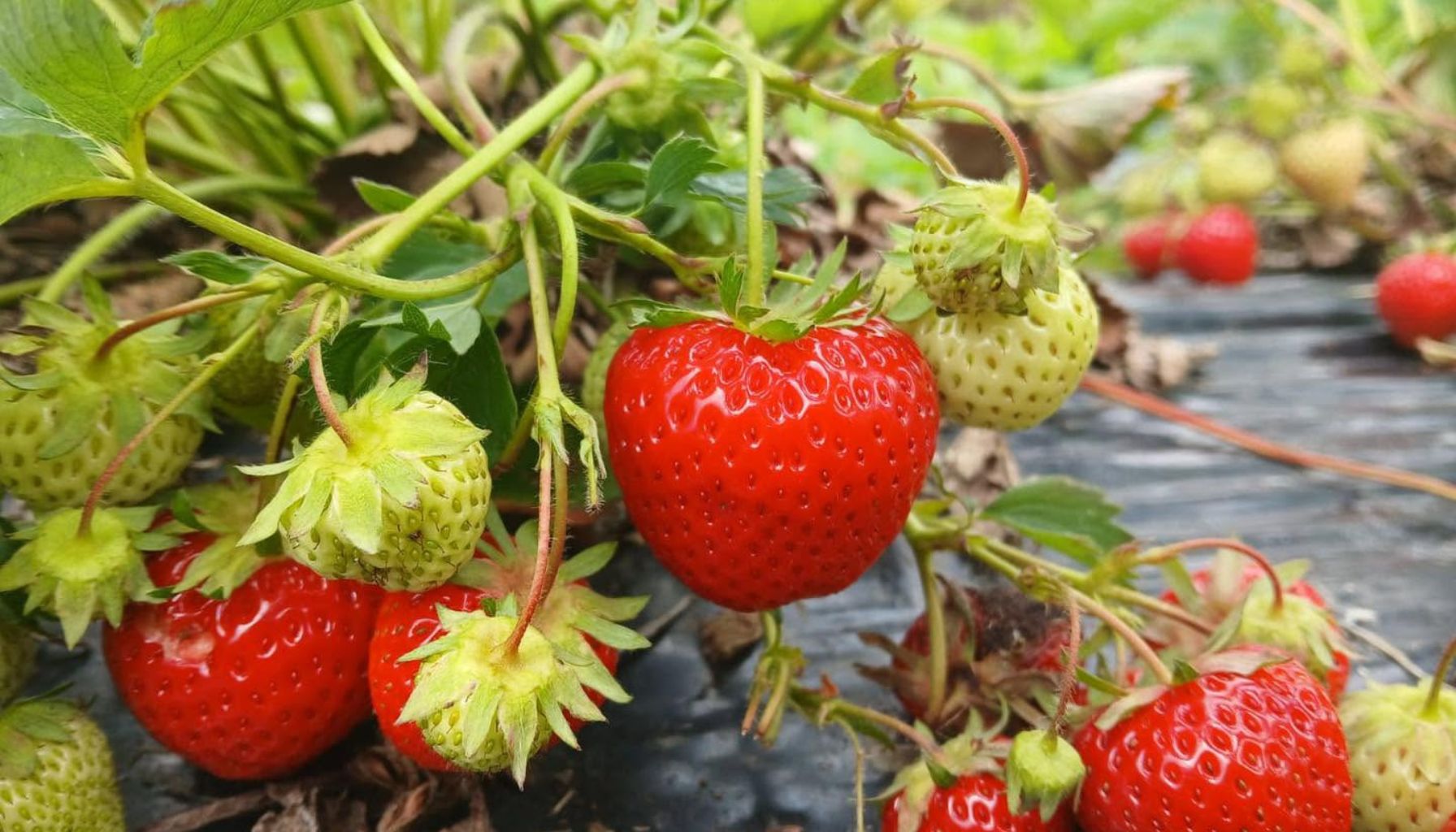
Few gardening disappointments feel quite as personal as small strawberries. You have watered, waited and watched the flowers turn to fruit, only to end up with berries barely bigger than marbles. Sometimes they taste fine. Sometimes they are disappointingly bland too.
The good news is that small strawberries are usually fixable. According to the strawberry growing advice from Pomona Fruits, one of the UK’s specialist fruit plant suppliers, the answer often comes down to variety, soil, water, plant age or overcrowding. Their expert guide to growing strawberry plants covers everything from planting and ground preparation to feeding, watering and aftercare, making it a useful place to start if your crop is not living up to expectations.
It Might Be the Variety
Before blaming yourself, check what you planted. Not all strawberry plants are bred to produce large fruit. Some varieties naturally produce smaller berries, so even perfect care will not turn them into supermarket-sized strawberries.
If you bought unnamed plants or bargain stock without much information, the variety could be part of the problem. Choosing named strawberry plants from a reputable supplier gives you a much clearer idea of the fruit size, cropping season and growing conditions to expect.
Watering at the Wrong Time
Strawberries do not need constant heavy watering from the moment they go into the ground, but moisture becomes much more important once the fruit starts to swell.
Pomona Fruits advises regular watering while fruit is swelling and ripening, especially in dry weather, as otherwise strawberries can be poor in both size and quality. That means consistency matters. One heavy soak followed by several dry days is not the same as keeping the soil evenly moist.
The Soil Is Running Low
Strawberries are hungry plants, and weak feeding often shows up in the fruit. Pomona Fruits recommends preparing the ground with well-rotted garden compost or manure before planting, then applying a fertiliser high in potash immediately before planting. Potash is especially important because it supports flowering and fruit development.
After fruiting, their advice is to apply sulphate of potash, then add a general high-potash fertiliser in spring. If your plants are producing small fruit year after year, feeding is one of the first things to look at.
Your Plants Are Getting Old
Strawberry plants are not at their best forever. Most produce their strongest crops in their second and third years, then gradually start to decline. If your plants have been in the same spot for four or five years and the berries are getting smaller, age may be the real issue.
Replacing older plants every few years keeps the bed productive. It also gives you the chance to move strawberries to fresh ground, which is important because Pomona Fruits warns against planting strawberries where strawberries or potatoes have recently grown, as this increases the risk of disease building up in the soil.
Too Many Plants Competing
Strawberries naturally produce runners, and if every runner is left to root, the bed quickly becomes crowded. The result is lots of leafy growth and plenty of competition for the same water and nutrients.
Pomona Fruits recommends cutting off runners unless you specifically want to use them for propagation. This helps keep the plant’s energy focused on fruit production rather than spreading across an overcrowded patch.
Growing in Containers
Small strawberries are particularly common in pots, hanging baskets, tubs and growbags. Containers dry out faster than open ground, and the compost can run out of nutrients quickly.
For container-grown strawberries, Pomona Fruits recommends watering little and often, rather than letting the compost swing between very dry and very wet. Once the fruit starts to swell, they also advise applying a high-potash feed to support development. Fresh compost is important too, as reusing old compost can increase the risk of poor growth and disease.
How to Get Bigger Strawberries Next Time
Small strawberries are rarely a mystery once you work through the likely causes. Start with the variety, then look at watering, feeding, plant age and overcrowding. In most cases, one of those will explain what went wrong.
For the best results, choose good-quality named plants, grow them in rich, well-drained soil, keep moisture consistent while the fruit is swelling and feed with potash at the right time. Do that, and the next crop should be bigger, sweeter and far more satisfying.