
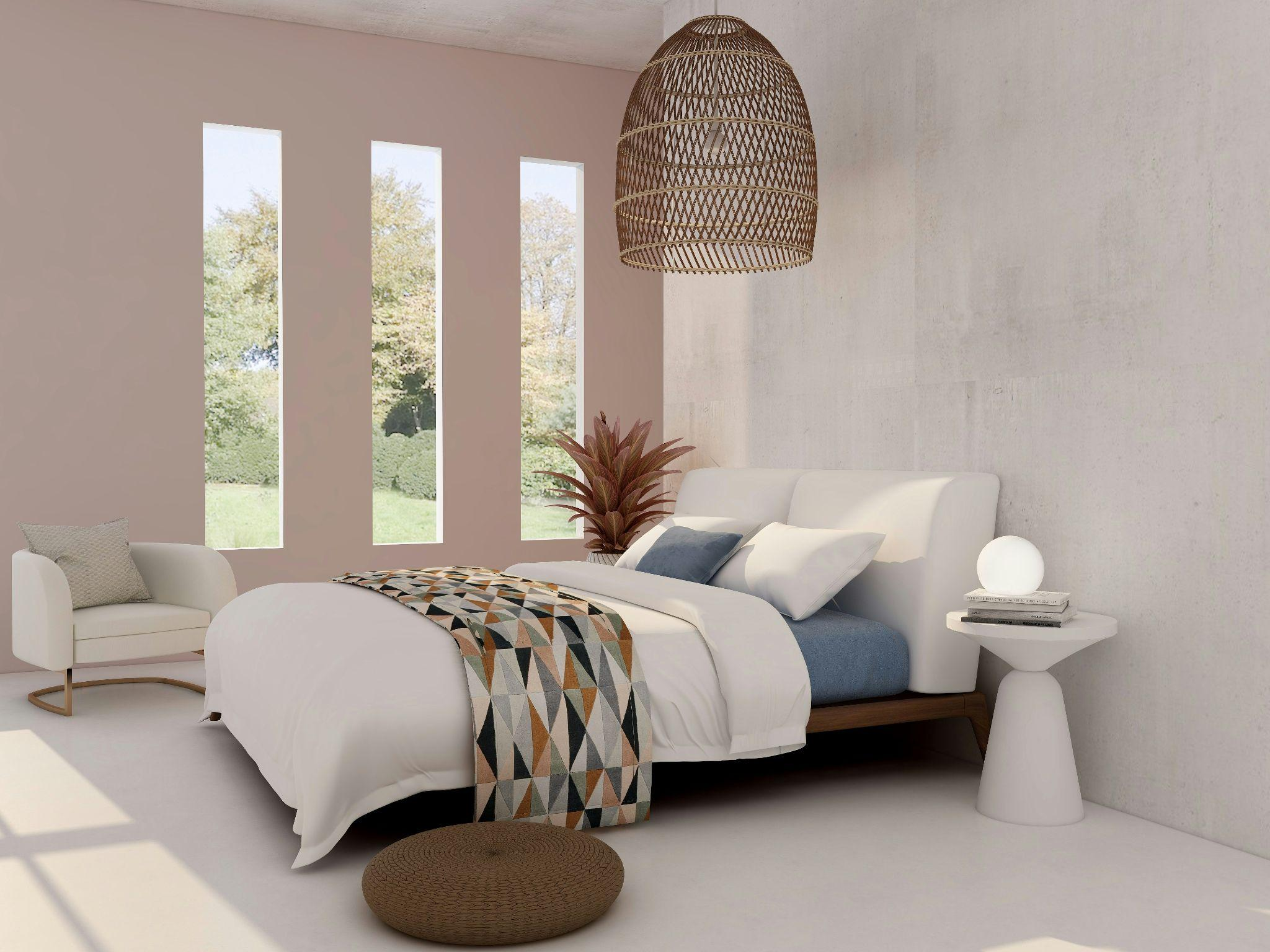
Designing a restful bedroom goes far beyond choosing pretty décor, it’s about crafting a soothing sanctuary that gently guides you into slumber. Of course, selecting the best mattresses in the UK lays the foundation for restorative nights, but true sleep-friendly design requires layering comfort, psychology, and style. Here’s how to create a bedroom that’s as beautiful as it is sleep-inducing.
Start with Layout & Flow
The way a bedroom is arranged has an immediate effect on how calming it feels. A cluttered, awkward layout can keep your mind buzzing, while a balanced flow encourages your body to relax.
- Bed placement: Ideally, position your bed so that both sides are accessible, creating symmetry and ease of movement.
- Clear pathways: Avoid blocking doors or windows with furniture, open sightlines give a sense of freedom and calm.
- Feng shui influence: While you don’t need to follow the practice strictly, many designers agree that facing the bed toward the door while not being directly in line with it creates a greater sense of security.
According to Real Simple, small layout adjustments, like moving the bed a few inches away from a wall, can significantly improve sleep satisfaction.
Control Light, Sound & Temperature
The three biggest environmental factors influencing sleep are light, noise, and temperature.
- Light: Melatonin production, which drives our sleep cycle, is highly sensitive to brightness. Blackout curtains, dimmable lamps, and warm-tone bulbs can help you wind down naturally.
- Sound: Even subtle noises can fragment sleep stages. If you live in a city, invest in heavy curtains, a white-noise machine, or even a soundproofing wall panel disguised as art.
- Temperature: Experts from the NHS suggest keeping the bedroom at 16–18°C (60–65°F). Too warm, and you’ll toss and turn; too cold, and your body spends energy trying to stay warm instead of resting.
The National Sleep Foundation notes that darkness, quiet, and cool temperatures are three of the strongest predictors of good-quality rest.
Choose a Calming Color Palette
Color psychology plays an underrated role in how quickly we fall asleep.
- Best choices: Soft blues, muted greens, and gentle neutrals lower stress levels and promote a sense of calm.
- Avoid: Overly vibrant shades like fire-engine red or neon yellow, which can stimulate the brain.
- Accent wisely: A deep, rich accent wall in navy or forest green can add personality while keeping the overall tone restful.
An Eating Well article highlights that cool-toned colors are consistently associated with better sleep satisfaction.
Layer Textiles for Comfort & Style
Think of your bed as a sensory experience. Layering is not only about aesthetics, it’s about tactile comfort. Of course, everything begins with the foundation, and choosing the best mattresses in the UK ensures that every additional layer works in harmony to deliver true rest.
- Bedding: Start with a breathable fitted sheet, add a light quilt for versatility, then a duvet or coverlet for warmth.
- Throws & cushions: Add depth with textures like linen, velvet, or chunky knits. A mix of soft finishes encourages touch and coziness.
- Curtains & rugs: Heavy curtains double as light-blockers, while rugs add warmth underfoot and absorb ambient noise.
An IKEA Sleep Matters survey, conducted with the National Sleep Foundation, emphasized how layering textiles, when combined with the support of the best mattresses in the UK, enhances both comfort and darkness for more restful sleep.
5. Embrace Minimalism & Declutter

Image from Unsplash
Visual clutter often leads to mental clutter. The bedroom should be a retreat from the chaos of the outside world.
- Keep surfaces clear: Limit bedside tables to essentials, lamp, book, perhaps a small vase of flowers.
- Hidden storage: Opt for under-bed drawers or storage benches to keep things tidy without sacrificing style.
- Digital detox: Keep laptops, TVs, and smartphones out of sight. Studies show that even seeing your phone on a bedside table can make it harder to mentally disconnect from daily responsibilities.
A recent Buildings journal study found that reducing visual distractions in the sleep environment leads to better relaxation and improved sleep hygiene.
Add Mindful Details
It’s the little touches that elevate a bedroom from ordinary to deeply restorative.
- Plants: Lavender and jasmine can subtly improve relaxation while freshening the air.
- Aromatherapy: Essential oils like chamomile or sandalwood help trigger sleep associations.
- Artwork & décor: Choose calming artwork with natural landscapes or abstract designs that evoke stillness.
- Soft lighting: Wall sconces, dimmable bulbs, or even a salt lamp cast warm, soothing light.
These thoughtful elements send subconscious cues that the bedroom is a space for peace.
Anchor Rituals Around Your Mattress
We circle back to the foundation: your mattress. Once you’ve chosen one of the best mattresses in the UK, reinforce the investment with rituals that amplify its benefits.
Create a pre-bedtime routine that pairs physical comfort with mental calm:
- Dim lights 30 minutes before sleep.
- Diffuse calming essential oils.
- Read or journal in soft lighting instead of scrolling on your phone.
The NHS-affiliated Sleepstation notes that combining the right mattress with mindful bedroom design habits creates a “perfect bedroom setup” to combat insomnia and stress.
A good night’s sleep isn’t just about luck, it’s the result of thoughtful choices in your environment. From balanced layouts and calming palettes to tactile textiles and minimalist design, every element contributes to rest. Pair these with the comfort of the mattresses, and your bedroom becomes more than just a place to sleep, it transforms into a sanctuary for deep, nourishing rest.