
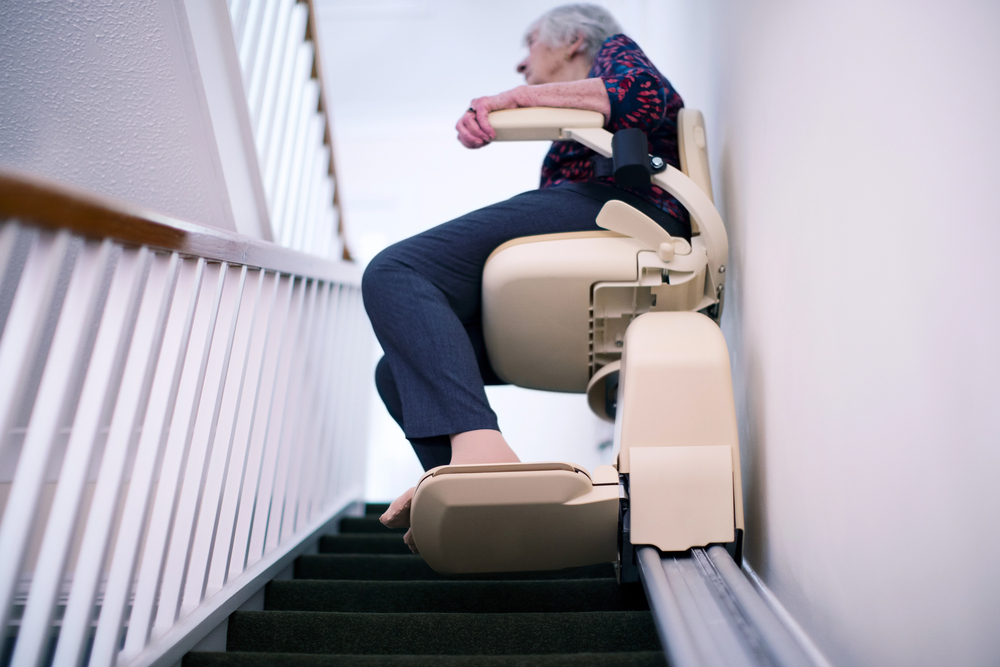
Deciding to get a stairlift isn’t just about mobility; it’s about comfort, safety, and staying independent at home. Whether it’s for yourself or a loved one, a stairlift can make life much easier. But before you go ahead, it’s important to think through a few things.
Getting the right stairlift is about more than just the stairs. It’s about the person using it, the space available, and the support you’ll need both during and after installation.
Think About the Layout of Your Stairs
One of the first things to look at is your staircase itself. Is it straight or does it have bends, curves, or a landing? A straight staircase is usually quicker and cheaper to fit, and if your stairs turn or change direction, the stairlift track will need to be made to measure, which takes longer and costs more.
The width of your stairs also matters. Most homes can accommodate a stairlift, but very narrow staircases may need a slimmer model. A home survey can help you find out what will fit and how it will look once installed.
If there’s a doorway at the bottom of the stairs or a hallway that might be blocked by the rail, you’ll also want to ask about folding rails or alternative designs.
Consider Who Will Be Using It
The person who’ll be using the stairlift needs to be comfortable, confident and safe. Think about their current level of mobility, but also whether their needs might change.
Is it difficult to sit down or stand up? Do they use a walking stick or frame? Can they manage to turn around at the top of the stairs? The answers to these questions will affect which features are most useful. Some stairlifts come with swivel seats to make getting on and off easier. Others offer remote controls for extra independence.
If the person has any conditions that may worsen over time, it’s worth asking whether the model you’re choosing can adapt. You might not need every option now, but you may be glad of it later.
Knowing the Costs Involved
Stairlifts can be a big purchase, so it’s worth understanding what’s included in the price. A basic straight stairlift will usually cost less than one built for curved stairs, but other things will affect the cost too, like powered seats, folding rails, or a higher weight limit.
Ask whether the price includes installation, servicing, and a warranty. Most companies do include these things, but it’s always better to check. Some people prefer to buy new, while others go for a reconditioned stairlift or even choose to rent, especially if it’s only needed short-term.
In some cases, local councils offer financial help through grants, particularly if the stairlift is being fitted for medical or mobility reasons. It’s worth looking into if cost is a concern.
Think About Aftercare, Servicing and Maintenance
Once the stairlift is in place, you’ll want to know what to do if something goes wrong. Most stairlifts come with at least a one-year warranty, and some suppliers offer extended service plans for peace of mind.
Find out:
- Who to call if it stops working
- How quickly they respond
- Whether there are any call-out fees
Stairlifts are generally reliable, but it’s good to know you won’t be left waiting days if there’s ever a problem. Halton Stairlifts provide stairlift servicing, for example, so there are many ways you can make sure your stairlift is of the highest standard.
Is It the Right Time?
It can be hard to know when it’s time to make a change. Some people put it off, managing stairs longer than they should. Others act early, preferring to avoid the worry or risk altogether.
A stairlift doesn’t mean giving up; it means being safe and staying in control. If stairs are causing daily stress or if falls are becoming more likely, it might be the right time. Even if the person is managing now, thinking ahead can prevent problems later.
Try asking: is going up or down stairs tiring, painful, or risky? Is it stopping someone from using part of the home? These are signs that a stairlift could help.
What Else Will Change?
Installing a stairlift is usually quick and tidy, but it may still change how a space looks or feels. There may be less room to walk beside the rail. If others in the house use the stairs, they’ll need to get used to the lift being there.
Most stairlifts fold away when not in use, and the rail itself is fixed to the stairs, not the wall, so it won’t cause much damage. But it’s good to be aware that it will still be a visible addition to the home.
If you’re unsure, ask the supplier for photos of similar homes or even to visit one of their showrooms. Seeing it in person can help you picture it more clearly.
Making the Right Choice For Your Home
Taking time to think about your options means you’re more likely to get a stairlift that works well and feels like a good fit. It’s worth speaking to more than one company, comparing quotes, and asking questions about everything from cost to features to aftercare.
A home assessment is usually free and can give you a much better idea of what’s possible. There’s no pressure to decide straight away, and you should never feel rushed.
Final thought: A stairlift isn’t just about getting upstairs; it’s about staying comfortable in your home, using every room with confidence, and not having to give up the space you love. Taking time to think through the details now means peace of mind later.