
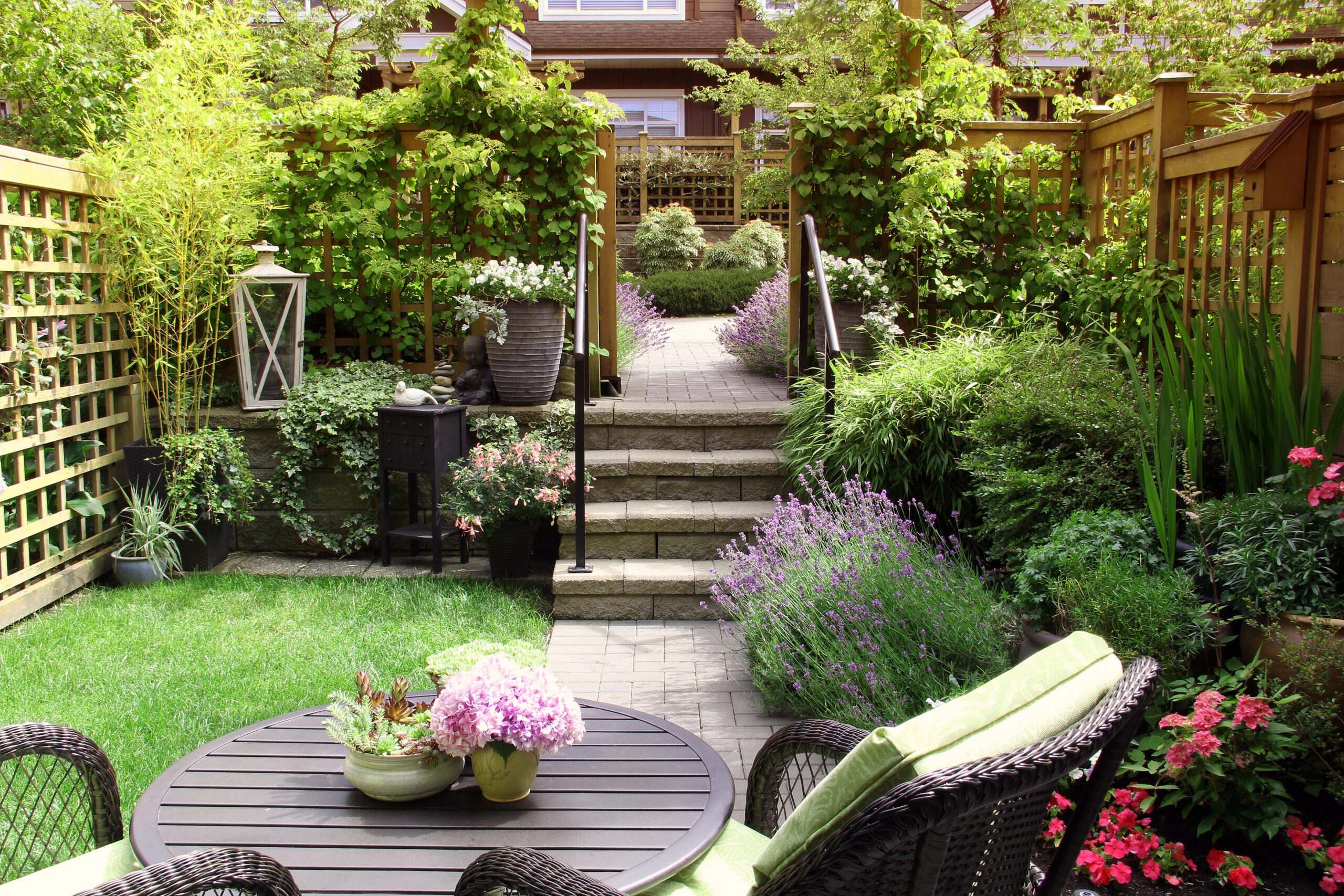
Transforming a petite outdoor space into a vibrant garden doesn’t require a hefty budget. With thoughtful planning and a touch of ingenuity, even the smallest plots can become inviting retreats. Whether you have a tiny patio, a narrow balcony, or a modest backyard, these creative ideas will help you cultivate a flourishing garden without breaking the bank. From vertical planting to upcycled decor, here’s how to make the most of your compact space while keeping costs low.
1. Elevate with Vertical Planting
Maximising vertical space is a game-changer for small gardens. By growing plants upwards, you free up valuable ground area while adding visual interest. Consider installing a lattice or trellis to support climbing plants like ivy, clematis, or roses. For a modern twist, repurpose wooden pallets or copper piping to create a vertical herb garden. These structures not only save space but also draw the eye upward, making the area feel more expansive. Opt for pale-coloured climbers, such as white roses or lavender wisteria, to create a sense of openness.
2. Embrace Raised Garden Beds
Raised garden beds are perfect for beginners and small spaces alike. They offer excellent drainage, reduce the need for intensive soil preparation, and can be placed in various locations, from backyards to patios. Build your own using affordable materials like reclaimed wood or cinder blocks. These beds allow you to grow vegetables, herbs, or flowers efficiently, ensuring every inch of soil is used wisely. Position them in a sunny spot, as most crops thrive with at least six hours of sunlight daily.
3. Get Creative with Containers
Containers are a versatile solution for limited spaces, offering flexibility and charm. Large terra-cotta or galvanised steel pots can house a mix of plants, from vibrant flowers to lush herbs. Group them to create zones or use them as natural dividers. For a unique touch, repurpose items like old colanders, whiskey barrels, or wheelbarrows as planters. Ensure proper drainage by drilling holes in the base, and consider adding saucers with wheels to move heavier pots easily.
4. Add a Water Feature for Tranquillity
A small water feature can transform your garden into a soothing retreat. While a full pond may be impractical, a DIY bubble fountain or a repurposed barrel pond can work wonders. Surround it with natural stones or shade-loving plants like ferns to enhance the calming effect. The gentle sound of trickling water not only creates a relaxing atmosphere but also attracts birds, adding life to your space. A simple submersible pump and decorative rocks are all you need to get started.
5. Craft Unique Garden Accents
Personalise your garden with handmade touches that add character without costing a fortune. Create plant markers from wooden paint sticks and acrylic paint to keep track of your herbs and vegetables. Alternatively, craft a sunflower sun catcher using wood and beads to add a cheerful glow. For a whimsical vibe, transform a shallow birdbath into a succulent garden or repurpose old shutters to hold mosses and hardy plants. These DIY projects are budget-friendly and can involve the whole family.
6. Use Multi-Functional Furniture
In a small garden, every piece of furniture should serve multiple purposes. Opt for benches with built-in storage to tuck away tools or cushions. Folding bistro tables and chairs are easy to store and perfect for impromptu gatherings. Consider a low table that doubles as an ottoman with a padded cushion or a sturdy retaining wall at seating height for extra versatility. Brightly coloured chairs or a galvanised barrel repurposed as a gardening station can add both function and flair.
7. Play with Perspective and Layout
Clever design tricks can make a small garden feel larger. Lay a narrowing path of darker paving stones, like reclaimed York stone, to create the illusion of depth. Curved beds or diagonal sightlines can further enhance this effect, especially in rectangular plots. Avoid long, straight lines that draw the eye to the garden’s boundaries. Instead, use irregular paving patterns or mixed slab sizes to slow the viewer’s gaze and add visual interest.
8. Choose Plants Strategically
Selecting the right plants is crucial for a small garden’s success. Focus on compact varieties that won’t overwhelm the space, such as dwarf shrubs, fargesia bamboo, or shade-loving hostas. Position plants with larger leaves closer to the house and those with smaller foliage further away to create a sense of distance. Cool-toned plants, like lavender or blue geraniums, can make the garden appear more spacious. Companion planting, pairing flowers with vegetables, saves space and attracts pollinators for better yields.
9. Incorporate Privacy Solutions
Privacy is often a priority in small gardens, especially in urban settings. Instead of bulky hedges, consider slim, columnar trees or evergreen climbers like ornamental ivy or Clematis armandii. A trellis with trailing vines or a vertical planter can act as a natural screen while adding greenery. For a creative twist, mount a mirror on an exterior wall to reflect light and greenery, visually doubling the space and adding a decorative element.
10. Simplify the Colour Palette
A restrained colour palette creates a cohesive and harmonious look. Stick to two or three complementary shades, such as soft greens, whites, and pastels, to avoid visual clutter. This approach applies to both plants and hardscaping materials. For example, pair dark paving with vibrant flowers or use neutral-toned containers to let the greenery shine. A simple palette ensures the garden feels balanced and spacious, even in tight quarters.
11. Add Subtle Lighting
Outdoor lighting can extend the usability of your garden into the evening while adding a touch of magic. String globe lights along a fence or pergola for a warm, inviting glow. Solar-powered options are budget-friendly and easy to install. Alternatively, place small lanterns near seating areas or pathways to create a cosy ambiance. Lighting not only enhances safety but also highlights key features, like a trellis or water feature, after dark.
12. Zone Your Space
Dividing a small garden into distinct zones adds structure and makes it feel more expansive. Use paving, planters, or low walls to delineate areas for seating, planting, or storage. A pergola can define a dining area, while a cluster of containers might mark a quiet reading nook. These zones create a sense of purpose and organisation, ensuring every part of the garden is used effectively.
13. Consider Low-Maintenance Options
For a fuss-free garden, choose hardy, low-maintenance plants like succulents, lavender, or evergreen shrubs. These require minimal care and thrive in various conditions. Darker paving materials, such as York stone, age gracefully and hide dirt, reducing upkeep. Square-foot gardening, where plants are grown in a grid based on their size, maximises efficiency and minimises waste, making it ideal for small spaces.
14. Repurpose Everyday Items
Upcycling adds charm and saves money. Transform an old ladder into a plant stand for herbs or flowers, or use a wooden door and galvanised barrels to create a rustic gardening station. Hang brightly coloured colanders as quirky planters or fill a metal tray with succulents for a unique display. These repurposed items add personality while keeping your garden budget-friendly.
15. Create a Focal Point
A striking focal point draws attention and anchors the garden. An arched trellis covered in climbing vines, a small pond, or a vibrant chair can serve this purpose. Ensure the focal point complements the garden’s scale and style, such as a birdhouse wind chime for a cottage feel or a sleek water feature for a modern look. This element ties the space together and adds a sense of purpose.
16. Harmonise with Surroundings
To create a seamless flow, design your garden to complement your home’s architecture and interior style. For a traditional home, incorporate classic elements like roses or stone pathways. For a modern space, opt for clean lines and minimalist planters. Borrowing views from beyond your garden, such as a distant tree or architectural feature, can also enhance the sense of depth and connection to the wider environment.
By blending these budget-conscious ideas, you can craft a small garden that feels both personal and expansive. Whether you’re growing herbs for cocktails, creating a serene water feature, or adding a splash of colour with upcycled planters, your compact outdoor space can become a delightful haven with minimal expense.