
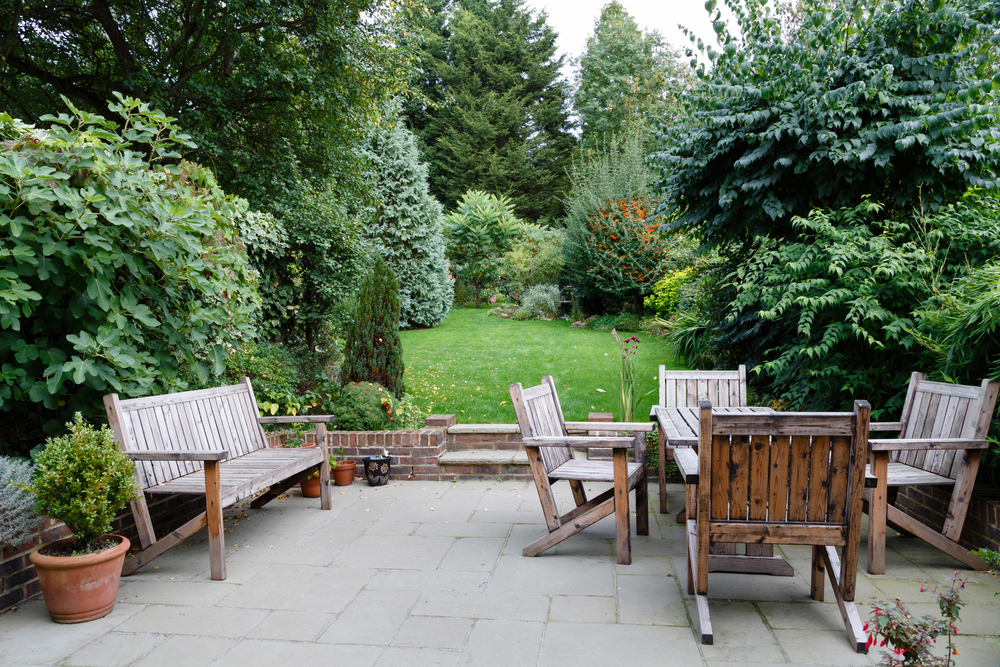
In the UK, gardens that face northeast have their own set of possibilities and challenges due of the way the light and weather are there. These gardens are perfect for plants that don’t mind being in the shade and don’t need a lot of care. In the morning, it’s nice and sunny, but in the afternoon, it’s cooler and shadier. You need to plan carefully to get the most out of them, though, because they don’t get much sun in the afternoon and like wet soil.
This guide goes into a lot of detail regarding the pros and cons of northeast-facing gardens. It also gives homeowners, garden lovers, and landscape designers suggestions for how to construct outdoor places that are both attractive and useful in 2025.
How to Figure Out How Garden Orientation Works
The way a garden is set up in relation to the north, south, east, and west points of the compass has a big effect on how much sunlight it gets, how warm it gets, and the overall microclimate.
A garden that faces northeast usually gets direct sunshine in the morning and is in the shadow in the afternoon and evening. The sun goes from east to west, which makes the garden a unique site that changes the plants you choose, how the garden works, and how it looks.
Sunlight is very important for the health of a garden since it affects photosynthesis, flowering, and the health of the soil. The morning sun is soft in a garden that faces north-east, while the afternoon shade makes the air colder and wetter. You need to be careful about which plants you use and how you build your garden so that it looks good and thrives well all year.
North-east facing gardens are an excellent method to create tranquil and long-lasting outdoor spaces for a number of reasons. Here are the main benefits that can make them more useful and appealing.
The light from the morning sun is soft
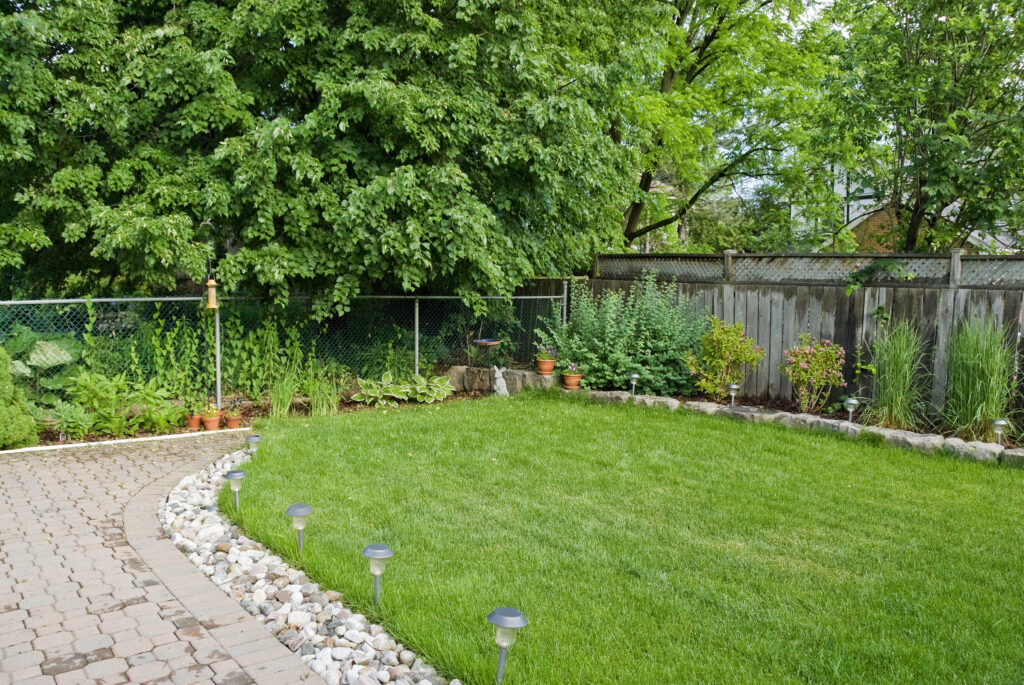
The sun in the morning is softer and less strong than the sun in the afternoon, so gardens that face northeast get it directly. This calming light is great for plants that need sunlight but can’t handle the heat of the day.
It also makes things like gardening or having a quiet breakfast outside in the morning more pleasurable. It’s the best time to undertake maintenance work like planting, pruning, or getting the soil ready because the mornings are so cold.
The optimum circumstances for plants that can live in the shade
Plants that do well in low light like the shade that gardens that face northeast enjoy in the afternoon. In this kind of weather, plants like ferns, hostas, hydrangeas, and bleeding hearts do quite well. They add a lot of colour, texture, and many forms of life.
These circumstances are also ideal for bees and butterflies, which pollinate plants. This makes the ecosystem healthier and the garden’s ecological value higher. Gardeners may make their gardens look rich and lively by choosing plants that perform well in partial shadow. These plants will stay colourful even when the sun isn’t shining.
In the summer, it’s cooler
During the summer, the temperature is cooler because there isn’t as much direct sunlight in the afternoon. When it’s sweltering outside, gardens that face northeast are great places to rest. People and plants can live well in this microenvironment. It keeps delicate plants safe from the heat and is a great place to do things outside, like read, dine, or take a break.
Plants don’t need as much water because the weather is milder and the soil stays moist for longer. This is great for gardening that lasts.
Using energy more efficiently
If you have a garden that faces northeast, the house next door will consume less energy. The garden makes the home cooler in the summer by keeping it out of the hot afternoon light. This means you won’t have to use the air conditioning as often, which will save you money on your energy bill.
In the winter, the morning sun naturally illuminates and warms homes. This is especially helpful for bungalows and other one-story dwellings that don’t get as much shadow from nearby buildings. In general, the mix of light and shadow makes the property more comfortable and less expensive.
Problems with gardens that face the northeast
Gardens that face the north-east have both good and bad characteristics about them. To make the most of the area, you need really think about them. You need to plan ahead to get around these problems and make a garden that works well and looks great.
There isn’t much sun in the afternoon
The biggest problem with a garden that faces northeast is that it doesn’t get as much sun as the day goes on. In the afternoon, the house or other buildings nearby cast shadows that make the area cooler and darker. This makes it harder for plants that need sunlight to grow, such roses, tomatoes, and sunflowers.
This also makes the garden less appropriate for things that need a lot of sun, like sunbathing or having parties outside. When the sun isn’t shining, gardeners need to change their plans by planting plants that do well in the shade and finding other ways to use the space.
Limits on Light in Winter
In the UK, gardens that face northeast might not get much direct sunlight in the winter when the days are shorter and the sun is lower in the sky. This can make plants develop more slowly, especially those that need a lot of light to thrive well. It could also make the garden look less bright.
Frost pockets are more likely to form when it’s cooler and there are longer periods of shade. These are locations where cold air collects and can hurt plants that are weak. In the winter, you should choose plants that can endure cold weather and shade, and you should do what you can to keep them safe from frost.
Problems with patios and sunrooms
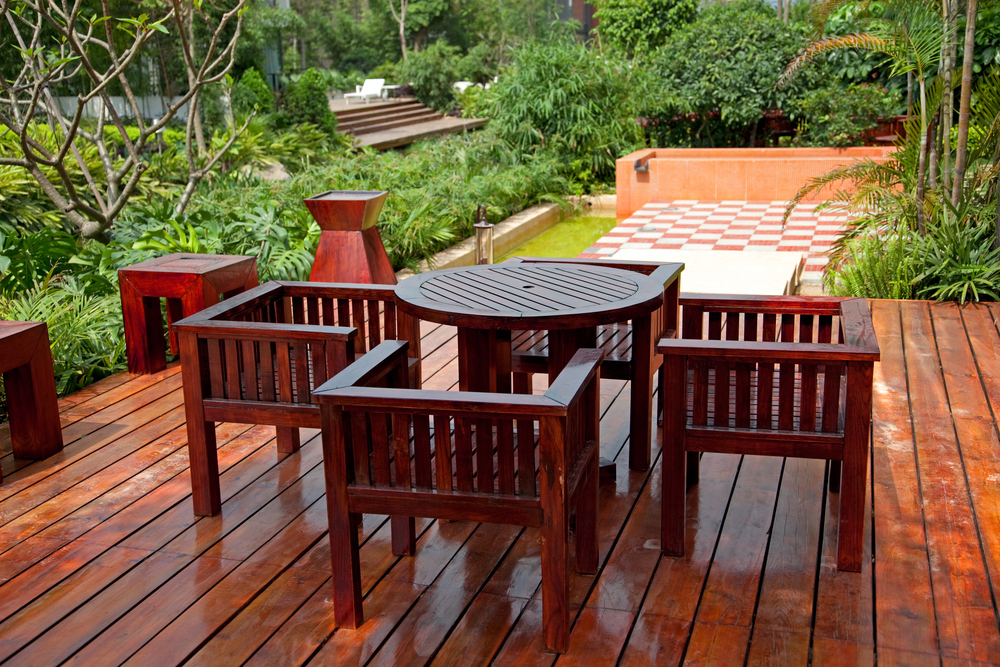
Patios and sunrooms in gardens that face northeast don’t get much sun in the afternoon, so they don’t really work as sunny places to relax. It might be cold and unwelcoming on patios in the late afternoon or evening, which made them less desirable locations to dine or linger out.
People might not like how warm and bright sunrooms are, so they could need other design ideas to make them more functional. These venues need to come up with new ways to stay useful and entertaining because of these rules.
Concerns about keeping the soil healthy and hydrated
Northeast-facing gardens are colder and shadier, which may help the soil stay moist longer. If the drainage isn’t good, this can make moss, fungi, or root rot more likely to happen.
This means taking care of the soil so that it stays moist but not too damp. To remedy these difficulties, gardeners need to keep an eye on the soil and use drainage solutions. This will make sure that plants grow in a healthy place.
Plants that fare well in gardens that face the northeast

Choose plants that like cooler weather and some shade if you want your garden to do well in the northeast. These are some of the best plants and trees for these conditions that will make your space look nicer and be more useful.
People know that hostas can grow in the shade and that they come in a wide range of colours and styles. The leaves are thick and green, blue, or a mix of the two. You can plant it in pots, cover the ground, or make a border with it.
Ferns are great for a woodland garden theme since they do well in moist and low-light areas. Their leaves are delicate and fluffy, which is nice.
The blossoms on hydrangeas are big and bright. They could be pink, blue, purple, or white. They look great for a long time and do best in soil that is wet and well-drained.
Bleeding Hearts are unique flowers that bloom in pink or white in late spring and appear like hearts. They look great in the shadows.
Camellias are plants that stay green all year and bloom in late winter or early spring. They give the place form and colour all year round.
Hellebores are tough, green plants that bloom in late winter or early spring. In the spring, they add colour to gardens that are shady.
Japanese Maples are little, pretty trees with thin, colourful leaves that look fantastic in the autumn and make great focal points.
Dogwoods are interesting all year long because they have rough bark, beautiful flowers in the spring, and bright leaves in the autumn.
Dwarf conifers are little, evergreen trees that might be blue, green, or gold. They make things easier with little effort.
How to Plan Gardens That Face the North-East
If your garden faces northeast, you need to arrange it carefully so that you may get the most out of it. These concepts take advantage of the area’s unique weather and light to make an outdoor space that is both useful and beautiful.
Putting plants in their right places
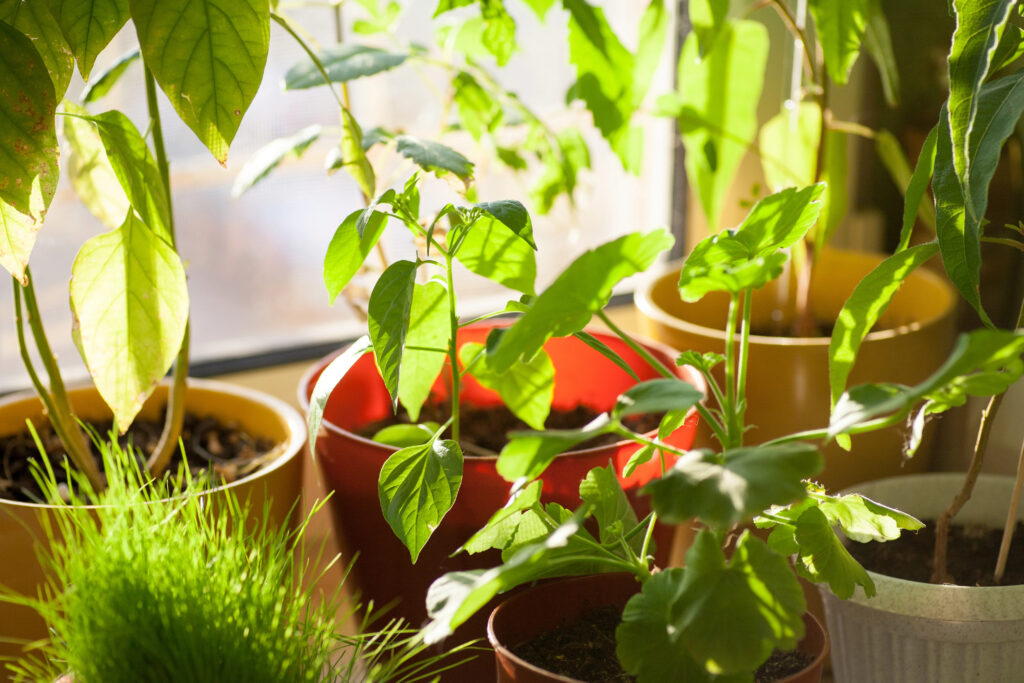
Put plants that need more light, such snowdrops or crocuses that bloom early, in places that get morning sun. This is normally around the edge of the garden. Some plants that do well in the shadow are ferns and hostas. In areas with little sun, keep them close to the house. Plants that need the same quantity of light and water grow better when they are close to each other. It also makes it easier to take care of them.
Zoning by purpose
Split the garden up into smaller areas so you may do different things in each one. Put a patio or bistro set in the sunniest part of the garden so you can sit outside in the morning and enjoy the early light. Set up some comfortable seats or hammocks in shady areas so you may relax in the afternoon. To make it easier to get around and improve the flow, connect regions with winding paths or low hedges.
Hardscaping that lets in more light
Use light-colored hardscaping materials like pale gravel, cream paving stones, or white-painted trellises to make up for the shade in the afternoon. These reflect light that is already there, which makes the garden look bigger and brighter. Two kinds of reflective decorations that can make light even better are mirrors and metal sculptures.
Lighting Solutions with a Plan
To make the garden useable at night, hang up solar-powered lanterns, string lights, or LED spotlights. Putting lights along paths, around seating areas, or in trees can make the space feel warm and welcoming. This makes up for the fact that there isn’t much sun in the afternoon and makes the garden more functional.
Changes to the structure
Arbours, trellises, and pergolas are all structures that can give vertical interest and support for climbing plants like clematis or ivy. A pergola over a seating area can make it a cool place to relax, and water features like fountains can be a tranquil focal point. These things make things look nicer and easier to use.
Caring for the soil and the drainage
If your garden is in the northeast, you need to be careful with the soil so that water doesn’t collect and fungi don’t grow. To make drainage better, use raised beds or soil combinations that let water out easily. Mulch will keep the soil warm and protect it from frost damage. Also, keep an eye on the moisture levels so you don’t give them too much water.
Improving Patios and Sunrooms
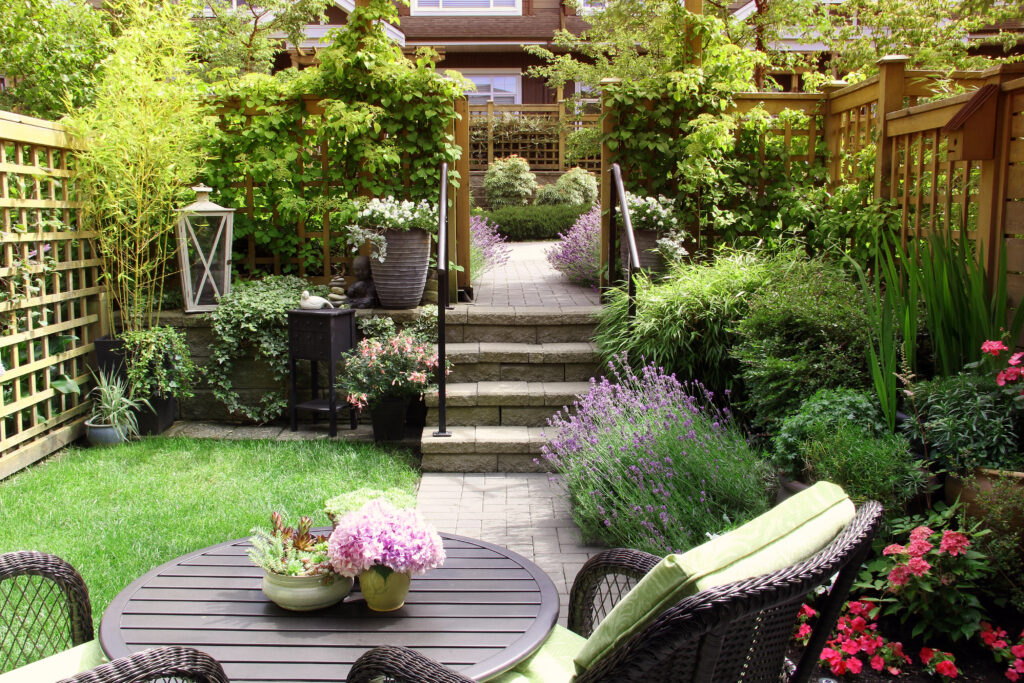
It needs special planning if your garden has a patio or sunroom that faces northeast and doesn’t get much sun. Set up seats on your patio for breakfast or other morning activities to make it more useable in the morning. If you have fire pits or outside heaters, you can use the space on chilly nights.
Add warm-colored pillows or rugs to your sunroom to make it feel pleasant. You might also add skylights to let in more light from the outside.
The End
The End Gardens in the UK that face northeast are a great way to establish peaceful, low-maintenance outdoor spaces that get the most out of the warm morning sun and the cool afternoon shade. These gardens can be fun places to go all year round if you plant the right plants, design them well, and take care of them. They don’t get enough afternoon sun, winter light, or moisture in the soil, though.
Gardeners may make the most of their north-east facing garden by adding hardscaping that lets in more light, growing shade-tolerant plants like hostas, ferns, and hydrangeas, and creating useful zones. By 2025, if you plan and create these gardens wisely, they might become peaceful places that make any property seem better and help the environment.