
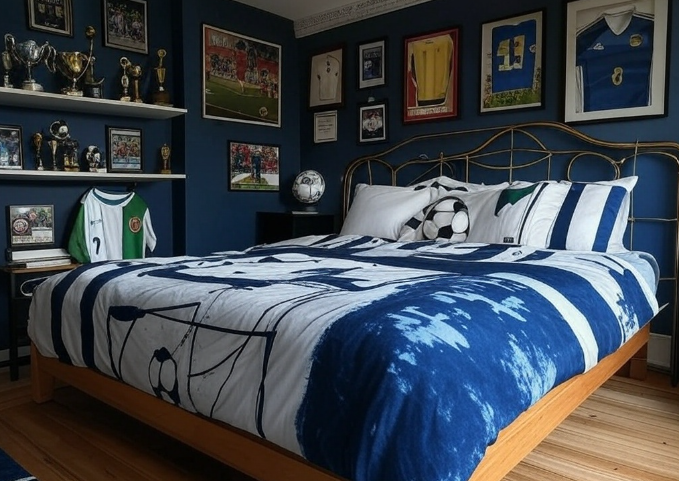
A child’s bedroom is far more than just a place to sleep, as it serves as their personal sanctuary that can significantly impact their mental health, emotional development, and overall wellbeing. Recent insights from renovation experts at Doorfinder and interior design specialists reveal how simple bedroom updates can create healthier, more supportive environments for growing children without breaking the bank.
The Psychology Behind Bedroom Environments
Research consistently shows that our physical environment directly affects our mental state, and this is especially true for children whose brains are still developing. A cluttered, outdated, or poorly designed bedroom can contribute to stress, anxiety, and difficulty concentrating, while a thoughtfully designed space can promote better sleep, improved focus, and enhanced emotional regulation.
As children transition from toddlers to teenagers, their psychological needs evolve dramatically. Creating an age-appropriate environment that grows with them is crucial for supporting their mental health journey.
Simple Changes That Support Mental Wellbeing
Modernising Storage for Reduced Stress
Mohammed Bharucha, a renovation expert at Doorfinder, emphasises how updating wardrobe doors can have profound psychological benefits. “Swapping out old wardrobe doors for more contemporary styles can instantly modernise a bedroom. It’s a cost-effective way to refresh the room without needing to replace the entire wardrobe unit.”
This simple change does more than improve aesthetics; it helps children feel that their space reflects their maturing identity. A more sophisticated storage solution can reduce daily stress by making it easier to find and organise belongings, while the visual upgrade can boost confidence and pride in their personal space.
Colour Psychology in Action
Interior Design Expert Sarah Brown from Dreamy Decor explains how ceiling and accent colours can influence mood and mental state. “Gentle sky blue, buttery yellow, or even muted sage green would create an instant fresh touch to the room and at the same time generate a comforting atmosphere.”
These colour choices aren’t just aesthetically pleasing but rooted in colour psychology. Blue tones have been shown to reduce anxiety and promote calm, while soft yellows can enhance mood and creativity.
Biophilic Design for Better Mental Health
Incorporating hanging plants and natural elements taps into biophilic design principles, which recognise our innate connection to nature. Mohammed notes, “Plants not only beautify the space but also improve air quality. They add vibrancy and life, making a room feel more mature and dynamic.”
The mental health benefits of indoor plants are well-documented, including reduced stress levels, improved concentration, and enhanced mood.
Creating Functional Spaces That Support Development
Smart Storage Solutions for Mental Clarity
A cluttered environment can contribute to mental clutter, making it difficult for children to focus and relax. Mohammed advises, “Utilising vertical space is crucial. Tall bookshelves or wall-mounted storage can free up floor space, making the room feel larger and less cluttered.”
Sarah adds insight into the psychological impact of organisation: “Storage is mostly the unsung hero in making a child’s room successful. Colourful bins, under-bed storage drawers or even a cubby system can all get most of the clutter away but makes it easier to access specific toys and books.”
An organised space promotes reduced anxiety, improved focus, better sleep quality, and an enhanced sense of control and autonomy.
Layout Changes That Support Growth
Rearranging furniture isn’t just about aesthetics. Mohammed explains, “A well-placed desk can inspire productivity for children using their bedrooms to study or revise for exams, while an organised layout can make the room feel more spacious.”
Creating distinct zones within a bedroom (sleep area, study space, and relaxation corner) helps children compartmentalise activities and develop better routines, which are crucial for mental health and academic success.
The Importance of Personal Expression
As children grow, their bedrooms become increasingly important for identity formation. Creating a personalised gallery wall featuring their favourite quotes, artwork, or photographs allows them to express their evolving personalities while maintaining a sense of ownership over their space.
Sarah suggests using removable elements like vinyl decals that can evolve with changing interests. “Removable vinyl decals are perfect because they do not damage the walls, and as kids grow, these can simply be updated.”
This expression is crucial for building self-confidence, developing personal taste, and supporting healthy identity development.
Lighting and Its Impact on Wellbeing
Proper lighting is crucial for supporting mental health. Mohammed notes, “Good lighting can enhance the mood of any room. Opt for warm tones to create a welcoming feel while also ensuring the space feels bright and airy.”
Quality lighting supports healthy circadian rhythms, reduces eye strain during study, improves mood and energy levels, and improves sleep quality.
The Long-Term Benefits
When children feel comfortable and proud of their personal space, they’re more likely to spend quality time in their room for rest and study, maintain better organisation habits, experience reduced stress and anxiety, and develop stronger self-esteem.
Small Changes, Big Impact
Creating a bedroom environment that supports your child’s mental health and development doesn’t require a complete overhaul or significant financial investment. As demonstrated by experts at Doorfinder and interior design specialists, simple updates like changing wardrobe doors, incorporating plants, optimising storage, and updating lighting can create profound positive changes.
The key is recognising that a child’s bedroom is more than just a place to sleep. It’s a crucial environment that can either support or hinder their mental health, academic performance, and overall well-being. By making thoughtful, age-appropriate changes, parents can create spaces nurturing their children’s growth and happiness.