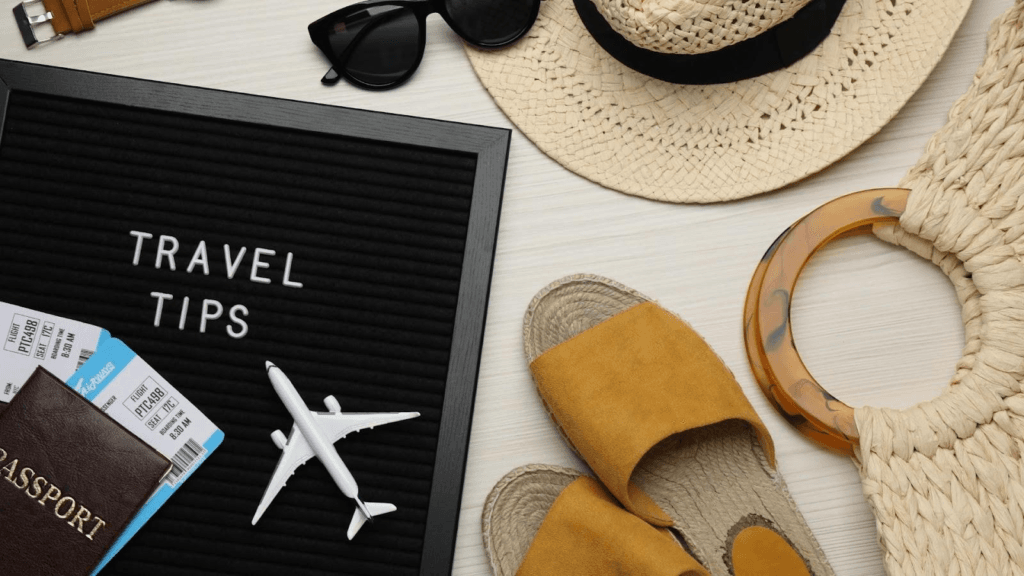
Packing light is a game-changer for travellers since it gives them more freedom, flexibility, and savings while also lowering their stress and impact on the environment. Based on ideas from Jessie Beck and Rick Steves, this guide gives you useful tips on how to pack light for any trip, from a weekend vacation to a month-long excursion. These ideas are for eco-friendly and budget-conscious travellers in 2025. They assist students, explorers, and globetrotters pack efficiently using small bags (25–40L), versatile apparel, and clever organisation, which keeps prices low (around £10–£50 each trip for gear).
I will of course also share soem of my first hand experice as I am currently lving as a digital nomad, so I have some tips and tricks for you I feel may help.
Why should you pack light?
Rick Steves says that mobility is being able to easily get around busy airports, trains, or cobblestone streets.
Cost savings: Budget airlines let you travel lighter and avoid baggage costs (around £10 to £30 per ticket).
Flexibility: You can take last-minute flights or go to faraway places without worrying about your bags.
Less luggage means less fuel use on flights, which is in line with trends in eco-friendly travel.
Mental Ease: According to travel psychology studies from 2021, it makes travel easier and less stressful.
Necessary Tools and Gear
Small Bag: 25–40L carry-on, like the Tortuga Travel Backpack Pro 40L (£250) or the Remote Equipment Charlie 25L (£210).
Compression cubes (Thule, £15–£30) or zip-top bags (around £2) are good packing organisers.
GoToob silicone bottles (£25 for 3) or Cadence capsules (£65 for 6) are good travel-sized toiletries.
Clothes that can be used for more than one thing: tops made of merino wool (about £40) or ADAY items that don’t smell (around £50–£80).
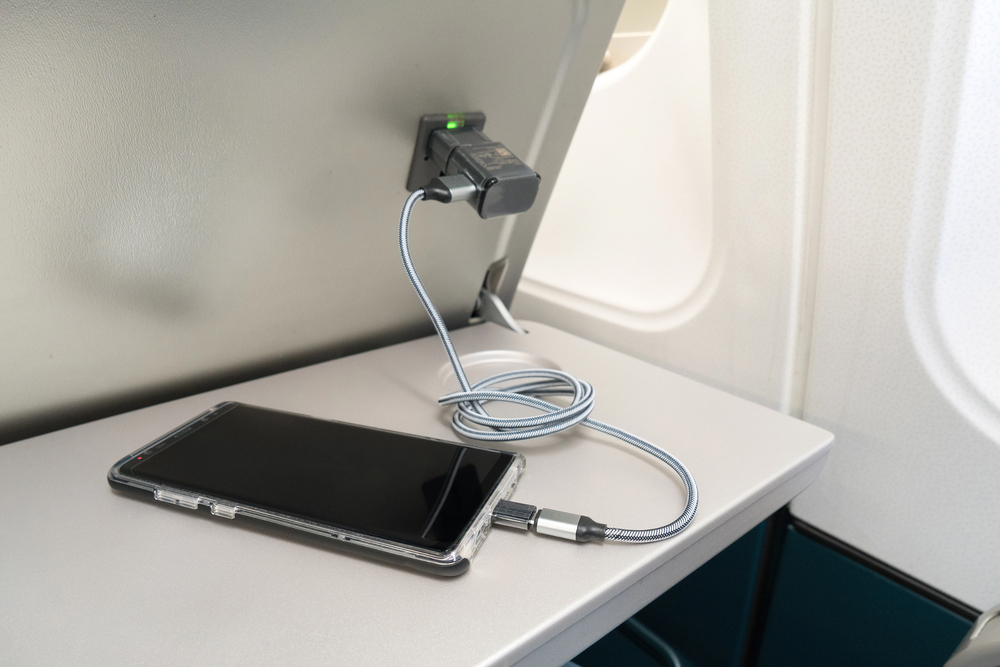
Adapters: A multi-USB travel adaptor costs about £10.
Tip for saving money: Buy used bags or cubes on eBay for about £10 to £50, or utilise old ziplock bags around the house.
How to Pack Light: A Step-by-Step Guide
Pick a Smaller Bag
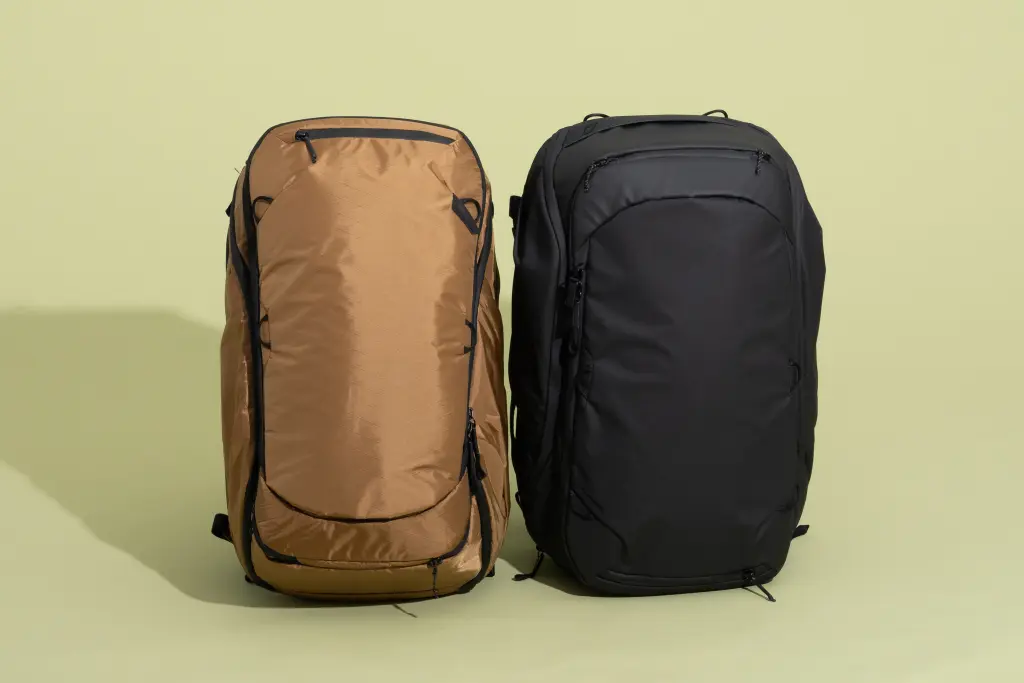
Jessie Beck says to choose a carry-on that is 25 to 40 litres (like the Away Carry-On, £215) to force yourself to be minimalistic.
Tip: Choose a bag that is 10L smaller than the one you have now. Check the size limits for airlines (around 55x35x25cm).
Follow the 1-2-3-4-5-6 Rule
Rick Steves says to pack one hat, two pairs of shoes, three pairs of pants, four blouses, five pairs of socks and six pairs of pants for up to two weeks.
Tip: Make it your own by adding things like swimsuit for beach holidays (around £10).
Make a Capsule Wardrobe
Choose 10 to 12 pieces of clothes in neutral colours like black and blue that you may mix and match.
For example, one merino wool shirt costs £40, one pair of convertible trousers costs £30, one jacket costs £50 and two pairs of shoes cost £60.
Tip: Try on clothing before you leave to make sure they can be layered; don’t bring big things.
Keep your shoes to one or two pairs.
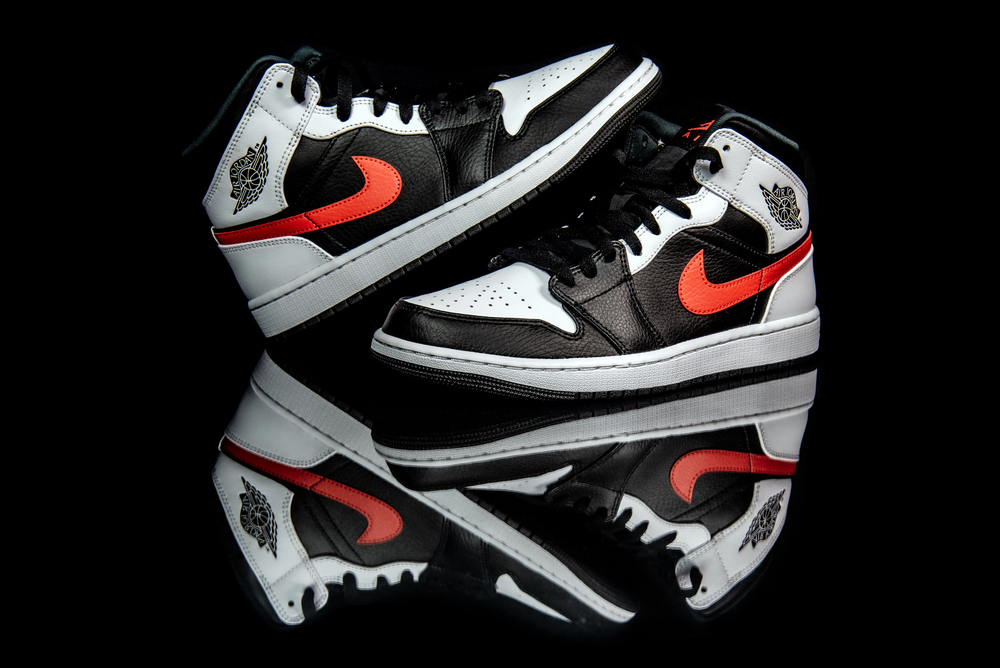
This is a hard oen for me as I have quite a vst selection of traniers that I am extermly proid of but its advice worth taking. On travel days, wear one pair of shoes that can be used for more than one thing (like trail running shoes for £50). If you need to, pack a light pair (like sandals for £15).
Tip: To avoid blisters, break in your shoes and measure your feet to make sure they fit.
Use Cubes to Compress
I persoanlly love to use Thule Compression Cubes (£15–£30) help you conserve space and keep things neat.
Tip: To get the most out of your cube, roll your garments tightly. You may use ziplocks for free.
Put Toiletries in Travel Size
Put shampoo, face cleanser, and other things in 3.4oz containers that are TSA-compliant (around £5 for GoToob).
You can buy toiletries at your destination for about £2 to £5 or use shampoo bars that cost about £5.
Tip: Look at the hotel amenities to avoid getting extras.
Make a plan for laundry
Every four to six days, wash your pants or socks by hand in a sink with biodegradable soap (about £2).
Tip: Use hostel laundrettes (around £3 to £5) or roll your clothing up in a towel to dry them quickly.
Cut down on “just in case” things
Don’t bring umbrellas or heavy jackets until the weather calls for them; if you need them, buy them locally for about £5–10.
Tip: Use weather applications like AccuWeather to get accurate forecasts.
Get rid of the laptop
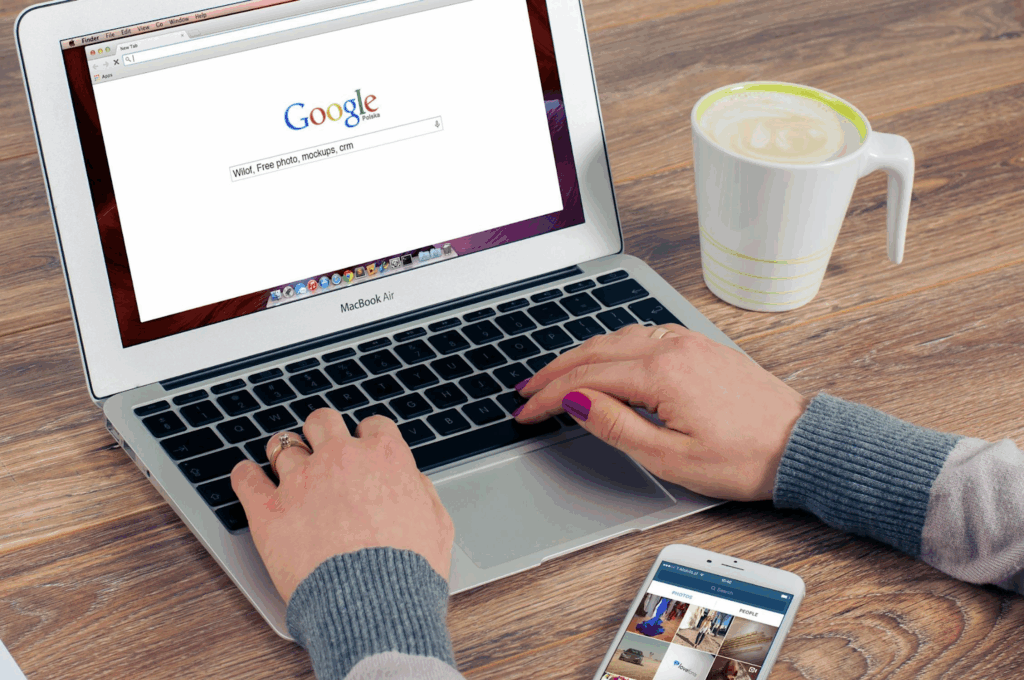
Now this tip is not for everyone. Persoanlly I need my laptop for work, but for vacations where no work is required, you have to think, is the laptop really needed? You can use a smartphone or tablet with offline maps (Maps.me, free) and cloud storage (around £2 per month).
Tip: Bring a multi-USB adaptor (around £10) to charge your phone in cafés.
Make a List of Things to Pack
Make a list of things you need (such your passport and charger) and things you want. Then, according to Rick Steves, trim the number of things you want in half.
Tip: Use free tools like PackPoint to make your lists unique.
Pick things that can be used for more than one thing
You can use a sarong (£5) as a towel, blanket, or skirt, and a Buff (£15) as a scarf or mask.
Pick synthetic or merino wool clothes that dry quickly (about £20–£50).
Weigh Your Bag
For comfort, keep your weight below 10% of your body weight (for example, 7kg for a 70kg person).
Tip: Weigh yourself at home and try to stay under 10 kg to avoid paying extra fees at the airport (around £10 to £30).
Get ready for lost bags.
Put your important things (such your passport, medicine, and charger) in a personal item (like a daypack that costs about £10).
Tip: To minimise room on trip days, wear big things like boots.
Tear Up Your Guidebooks
Take out the pages you need from guidebooks or use digital versions (which are free on Kindle).
Tip: You can get free city guides from VisitBritain or Lonely Planet.
Bring something you enjoy
For comfort, include one tiny indulgence, like noise-cancelling earbuds that cost £30.
Tip: Pick things that are light so you don’t add bulk.
Packing Tips That Won’t Break the Bank
Use discarded T-shirts or household ziplocks to organise your packing (~free).
Buy used: You may get clothes or bags from thrift stores for about £5 to £20.
Rent or borrow: You can rent bikes and other gear at your destination for about £10 per day, or you can borrow from friends.
Free Resources: Check out YouTube packing videos or Reddit’s r/onebag for advice.
Buy shampoo or sunscreen locally for £2 to £5 to conserve space.
Example Packing List for a 7-Day Trip
Bag: 25L Remote Equipment Charlie for £210 or a used rucksack for about £20.
One merino wool top (£40), one quick-dry shirt (£20), one pair of convertible pants (£30), one jacket (£50), five pairs of socks (£10), six pairs of underwear (£10), one hat (£5), and one pair of trail-running shoes (£50).
Toiletries: GoToob bottles containing shampoo and soap (£5), a toothbrush (£2), and toothpaste (50ml, £1).
Smartphone, multi-USB converter (£10), and portable battery (£15) are all electronics.
Other: a passport, a small bar of soap (£2), and a reusable water bottle (£5).
Total Cost: around £50 to £150 (if you use things you already have or buy used).
Problems and Answers
Overpacking Temptation: To keep yourself from overpacking, choose a smaller suitcase (25L).
Space Issues: Use cubes to save space and put things that can be used for more than one thing first.
Weight Problems: Weigh your pack before you leave and leave things at home that you don’t need.
TSA.gov has rules about liquids (3.4oz max) and things that are not allowed (like blades).
How to Get Started
Start Small: Go on a weekend excursion with some gear (around £20–50).
Test Packing: Carry your backpack for a day to see how heavy it is.
Join Groups: Post your tips on Reddit’s r/onebag or #PackLight to get feedback.
Expect 1–2 Hours: It takes around an hour to pack with a list; you can improve it over time.
It’s easier than ever to pack light in 2025 because to small gear like the Tortuga 40L and ideas like capsule wardrobes. To travel freely for about £10–£50 in gear expenditures, limit yourself to 25–40L, use things that can be used for more than one purpose, and organise your washing. This is what Jessie Beck and Rick Steves recommend. Start simple, pack intelligently, and enjoy the trip without any stress!