
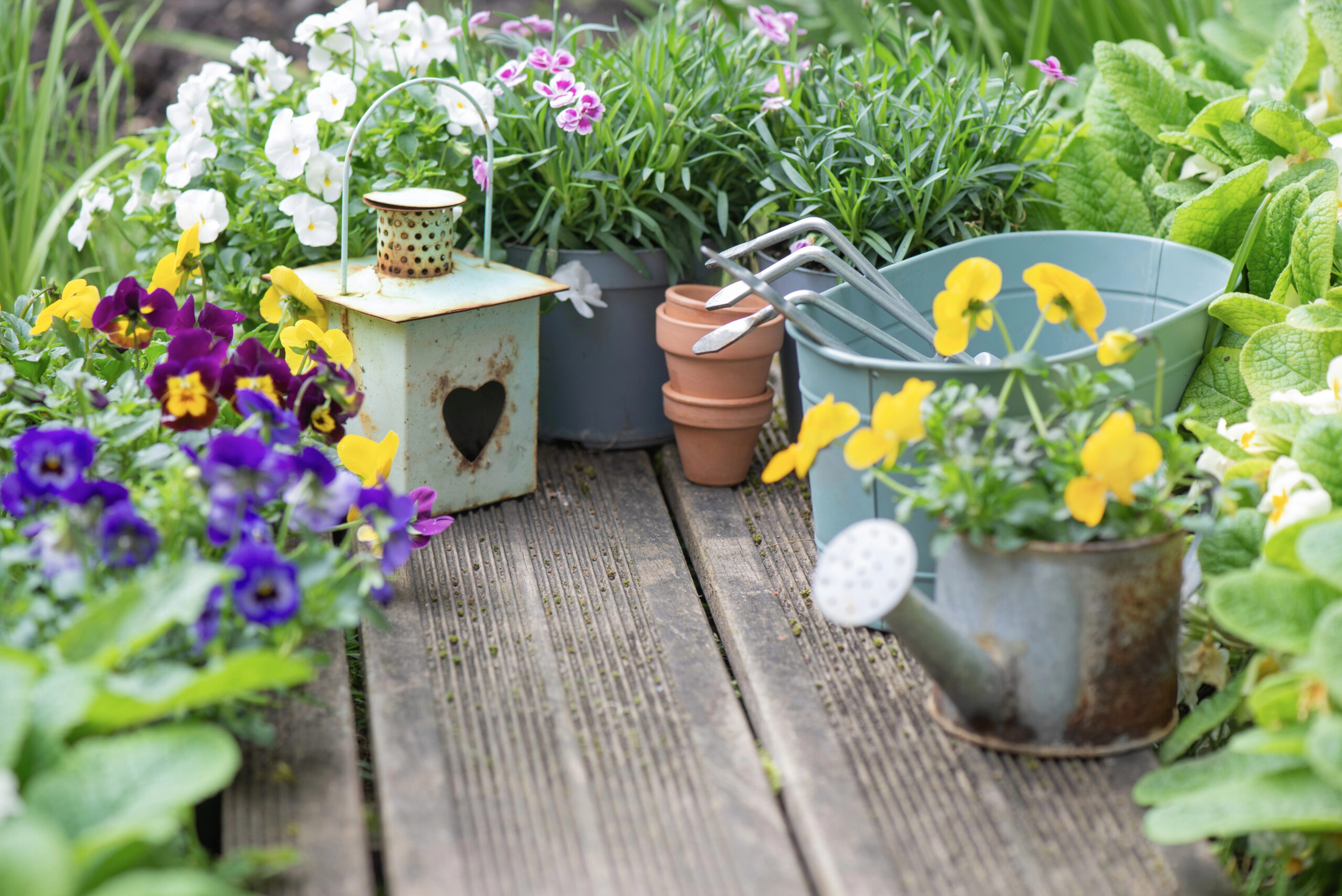
Revamping your outdoor space doesn’t have to drain your wallet. With a bit of creativity and resourcefulness, you can turn a lacklustre garden into a vibrant haven for relaxing, entertaining, or growing your own food. These budget-friendly ideas focus on reusing materials, harnessing natural resources, and making smart plant choices to create a stunning garden without the hefty price tag. From upcycled planters to low-cost paths, here’s how to craft an inviting outdoor retreat affordably.
Upcycle Everyday Items
Give old materials a new purpose to add character to your garden. Transform wooden pallets into rustic planters or vertical gardens by painting them and attaching them to a wall. Old rubber tyres can become quirky plant pots when stacked and painted, while plastic bottles or egg boxes make perfect seed starters. Scour your garage or local skips (with permission) for items like buckets or metal troughs to repurpose as containers. These creative solutions save money and add a unique, personal touch to your space.
Tip: Use weather-resistant paint to protect upcycled wooden items from the elements.
Harvest Rainwater
Make the most of Britain’s frequent showers by installing a water butt to collect rainwater. This eco-friendly solution can save up to 24,000 litres of water annually, reducing your water bill and providing nutrient-rich water for your plants. Rainwater, free from tap water’s salts and chemicals, is ideal for both outdoor and indoor plants, promoting healthier growth. Water butts are simple to set up and a cost-effective way to nourish your garden.
Tip: Place the water butt under a downpipe for maximum collection and check local councils for subsidised options.
Revive Your Fence with Paint
A tired fence can drag down your garden’s appearance, but replacing it is costly. Instead, grab a tin of exterior wood paint and give it a fresh look. Choose bold colours like forest green or soft rosemary for a modern vibe, or create patterns like ombre or geometric designs to showcase your style. A single afternoon’s work with a brush can transform your garden’s backdrop, making it feel vibrant and welcoming.
Tip: Clean and sand the fence before painting to ensure a smooth, long-lasting finish.
Choose Perennials for Long-Term Savings
Perennials are a budget gardener’s best friend, blooming year after year without needing replanting. Unlike annuals, which die after one season, perennials like geraniums, coreopsis, and Asiatic lilies offer reliable colour and texture with minimal upkeep. Plant a variety to ensure blooms across seasons, creating a low-maintenance garden that saves money over time. Start with small plants or divide existing ones to fill beds without extra cost.
Tip: Divide overgrown perennials in spring to multiply your plants for free.
Light Up with Solar Power
Add a magical glow to your garden with solar-powered lights, which cost nothing to run after purchase. String lights over trees, stake lights along paths, or place ground lights to highlight borders. Position the solar panel in a sunny spot to charge during the day, and enjoy a warm ambiance after dusk. These lights enhance safety and mood, making your garden a cozy evening retreat.
Tip: Look for multi-packs or seasonal sales to get more lights for less.
Make Your Own Compost
Skip expensive store-bought compost by creating your own from kitchen scraps and garden waste. A simple compost bin turns vegetable peelings, grass clippings, and leaves into nutrient-rich soil, feeding your plants for free. Composting also reduces landfill waste, making it an eco-friendly choice. Alternate dry materials like cardboard with wet scraps like fruit peels to speed up decomposition.
Tip: Avoid adding cooked food or meat to prevent pests in your compost bin.
Grow from Seeds and Bulbs
Patience pays off when you grow plants from seeds or bulbs instead of buying mature specimens. Seeds for flowers like sunflowers, nasturtiums, or vegetables like lettuce are far cheaper and rewarding to nurture. Sow indoors on a warm windowsill or directly in the ground for a low-cost garden full of blooms and edibles. Bulbs like daffodils or tulips offer years of colour for a small initial investment.
Tip: Join plant-swapping groups to trade seeds or seedlings with local gardeners.
Build a Vertical Garden
Maximise small spaces by going vertical with a DIY garden. Attach a trellis to a wall for climbers like wisteria or star jasmine, or fix upcycled planters like painted tin cans or wooden crates for herbs and flowers. An old ladder can become a quirky plant stand, adding height and interest. Vertical gardens save ground space and turn bare walls into lush features without breaking the bank.
Tip: Ensure climbers have sturdy supports to handle their weight as they grow.
Restore Existing Furniture
Breathe new life into worn garden furniture instead of buying new pieces. Sand down wooden benches or tables, then apply a fresh coat of stain or paint to protect and refresh them. Add homemade cushions or throws for comfort and style. Upcycling furniture saves money and keeps usable items out of landfills, giving your garden a bespoke look.
Tip: Use marine-grade varnish for extra durability against weather.
Opt for Gravel or Mulch Paths
Create affordable garden paths with gravel or mulch instead of expensive paving slabs. These materials are cheaper, easier to install, and add texture to your landscape. Choose local stone to reduce costs and environmental impact, and lay an eco-friendly weed barrier underneath to keep maintenance low. Gravel paths suit both modern and rustic gardens, guiding visitors through your space.
Tip: Use smaller gravel for high-traffic areas and larger pebbles for decorative zones.
Additional Budget Tips
- Plant for Privacy: Instead of costly fences, use bare-root hedging like holly or arborvitae for a living screen. Bare-root plants cost as little as 60p each and grow into thick hedges over time.
- Start Small: Buy young plants or saplings, which are cheaper and often catch up to larger ones within a few years.
- Salvage Materials: Check Freecycle or local ads for free pavers, bricks, or wood to use in paths or raised beds.
- Add a Tree: A small tree, costing from £30, provides shade and beauty, outlasting pricier structures like pergolas.
- Grow Edibles: Plant herbs, lettuce, or fruit bushes in containers or beds to cut grocery costs and add colour.
These ideas prove that a stunning garden is within reach, no matter your budget. By reusing materials, harnessing natural resources, and choosing cost-effective plants, you can create a space that’s both beautiful and sustainable, perfect for relaxing or entertaining.