
For a lot of homeowners, the first thought when space feels tight is to look at moving. But before you start browsing listings, it’s worth taking a closer look at what you already have. Often, the issue isn’t the size of the house – it’s how the space is being used.
With a few thoughtful changes, most homes can feel more spacious, more organised, and a lot more suited to modern life. The key is creating versatile rooms that can adapt as your needs shift, rather than locking every space into a single purpose.
Rethink What Each Room Is Really For
It’s easy to fall into bad habits. The spare bedroom becomes a storage room. The dining table becomes a dumping ground. The corner of the living room fills up with paperwork and cables from your occasional bouts of work from home. Over time, rooms stop working efficiently and start feeling cramped.
Instead of asking “what was this room meant to be?”, ask “what do we actually need right now?” A guest room that’s used twice a year could double as a calm workspace with a fold-out bed. A wide landing might take a slim desk and shelving to make for some extra storage. Even alcoves can become focused work zones or reading nooks with the right lighting and storage.
When rooms are set up to serve more than one purpose, they feel more intentional and less cluttered.
Use Storage to Create Breathing Room
Versatile rooms only work if clutter is under control. Smart storage doesn’t have to mean built-in wardrobes everywhere, but it does mean giving everything a proper home and having a structure in place.
Under-bed drawers, fitted cupboards, wall-mounted shelving and furniture with hidden compartments can all help keep things tidy but accessible. Once the clutter is out of sight and organised, a room can shift roles far more easily. A tidy dining area can become a work zone during the day and a social space again in the evening with just a few drawers moved around.
Sometimes the biggest improvement isn’t adding space, it’s clearing it through some clever Tetris moves!
Create Separation Without Building Walls
One of the main challenges in modern homes is overlap. Work spills into living space. Hobbies compete with relaxation. And good luck keeping the noise down if you have the two happening at the same time!
You don’t always need structural changes to solve this. Rugs can define areas in open-plan rooms. Bookcases can act as subtle dividers. Sliding doors or curtains can close off part of a space when needed. Even changing lighting between “work mode” and “evening mode” helps signal a shift in use.
These small adjustments create flexible zones without committing to permanent walls. Although, you’ll still probably be better off with having an isolated spot for work which leads nicely to our next point-
When the House Is Full, Look Outside
Sometimes, the inside really has reached its limit. You’ve run out of drawers and you really won’t be able to just balance your laptop on the couch. That’s when it makes sense to think beyond the walls of the house.
Using outdoor space to relieve pressure indoors is becoming increasingly common. Rather than squeezing a desk into a bedroom or turning the dining room into a permanent office, some homeowners are choosing to introduce a separate external room.
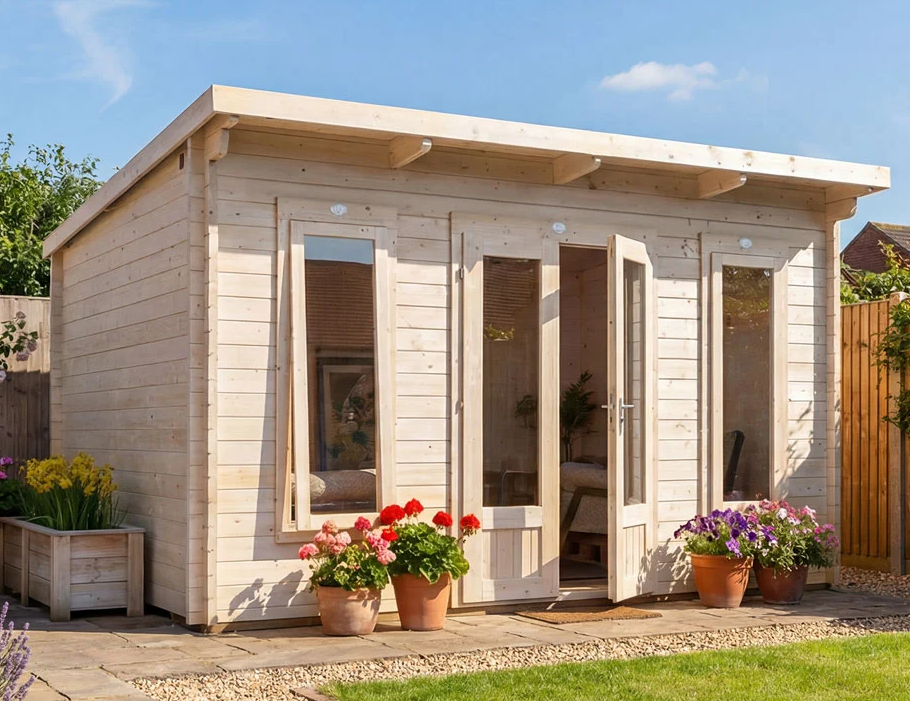
This is where Log Cabins come into their own. Modern designs can be far larger than people expect, offering a lot of internal space that works as a genuine extra room rather than a basic outbuilding. Depending on the size, they can comfortably accommodate a full home office, a hobby studio, a gym or even some combination of all three.
Because they’re separate from the main house, they provide something that’s hard to recreate indoors: proper separation. Work stays outside. Projects stay set up. You can just shut the door when you’re done and walk back to the main house.
Think Long-Term, Not Just Right Now
Short term fixes are all well and good but if you think about the future and factor in changes in your life, you can better ensure your designs. They’re the ones that adapt well. A versatile room today might serve a completely different purpose in five years. A home office could become a teen hangout. A craft room might later be a guest space or become a nursery.
When you look at your home through that lens, improvements become less about square footage and more about flexibility. Finding the way to make your existing space into your perfect home helps to save costs and breathes new life into your home!