
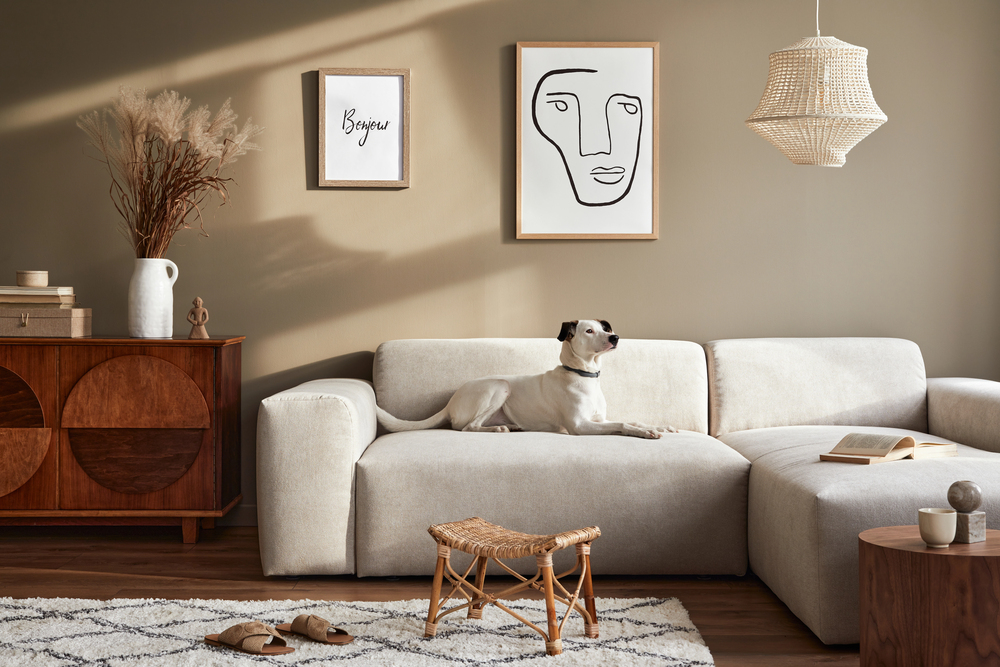
The best modular sofa for small spaces is one that maximizes seating without overwhelming the room. Look for compact, multi-functional pieces that can be rearranged easily, offer built-in storage, and suit your room layout.
This guide walks you through how to choose the right modular sofa for your space, step by step, so that you can make the most of every square foot.
Key Takeaways
- Measure your space carefully before shopping
- Choose low-profile, compact modules that won’t overpower the room
- Prioritize multi-functional features like storage or sleeper options
- Go for light colors or raised legs to make the room feel more open
- Select modular sofas with flexible configurations for layout adaptability
Step 1: Measure Your Space Precisely
Before browsing, grab a tape measure. Record the width, depth, and height of the area where you plan to place your sofa. Leave at least 24 inches of walking space around the furniture to maintain good flow. For very tight spaces, even 18 inches can work.
Tips:
- Use painter’s tape to outline sofa dimensions on the floor
- Account for nearby doors, windows, and heaters
- Consider ceiling height for taller backrests
Step 2: Look for Space-Saving Designs
When selecting a modular sofa for a small space, focus on designs that prioritize compactness without sacrificing comfort. Not all modular sofas are oversized; many brands now offer models specifically built for tighter areas.
Look for armless modules, which reduce visual bulk and help a room feel more open. Narrower seat depths, ideally 32 inches or less, can also conserve valuable floor space. Storage-friendly pieces, such as corner units with hidden compartments, are especially useful in apartments or small living rooms where every inch counts.
Additionally, choosing sofas with raised legs can make a dramatic difference. The open space beneath the sofa allows light to pass through, which visually expands the room and creates a lighter, airier feel.
Step 3: Think Multifunctional
Your small-space sofa should do more than just seat people.
Look for modular pieces that:
- Convert into sleepers for overnight guests
- Include ottomans that can double as coffee tables
- Offer storage in seats or chaises
This maximizes utility without adding clutter.
Step 4: Choose the Right Configuration
Modular sofas shine when it comes to layout options. Pick a configuration that works with your room shape:
- L-shapes are great for corners and open-concept rooms
- Straight setups work well along long walls
- U-shapes are typically too large for small spaces unless very compact
Make sure your chosen model allows reconfiguration later on. Something like a DreamSofa Modular Sofa offers long-term flexibility, even as your space or needs evolve.
Step 5: Lighten the Look
Visual weight matters in small rooms. Choosing the right style elements in your modular sofa can prevent your space from feeling crowded or boxed in. Go for light or neutral upholstery colors that reflect natural light and help the room appear larger.
Sofas with low-profile backs preserve sightlines, especially in open-plan layouts, making the entire area feel more connected and spacious. Slim or armless designs work well here too, as bulky arms can dominate a compact room.
Avoid overly plush silhouettes or heavy-looking fabrics, which tend to close in the space. A light, streamlined design helps maintain a sense of openness while still delivering comfort and style.
Summary: Choosing a Modular Sofa for Small Spaces
Choosing the best modular sofa for a small space involves more than just finding the right look. You need a piece that fits physically, serves multiple purposes, and maintains visual balance. Start by measuring your space and mapping out the layout. Then prioritize compact, multi-functional features like storage or sleeper modules.
Use light colors, low profiles, and raised legs to keep the space feeling open. Finally, choose a configuration that complements your room shape but can adapt as your needs change. A thoughtfully chosen modular sofa can transform even the smallest room into a comfortable, stylish, and highly functional living space.
Frequently Asked Questions
What size modular sofa is best for a studio apartment?
Look for two- or three-seat configurations with slim arms and seat depths of 32 inches or less. L-shaped setups with corner modules work well for maximizing space.
Can modular sofas work in oddly shaped rooms?
Yes. Their flexibility allows you to adapt the layout around walls, doorways, or angled corners more easily than a fixed-shape couch.
Are there modular sofas with built-in storage?
Absolutely. Many come with hidden compartments in chaises or seats. These are perfect for small spaces where extra storage is a premium.
How do I keep a modular sofa from sliding apart?
Most modular sofas use secure connectors underneath each module. Make sure the model you choose includes these to keep the pieces firmly in place.
Should I choose a sleeper modular sofa for small spaces?
If you host guests, yes. Sleeper modules add functionality without needing extra furniture. Just ensure the folded-out bed fits in your space.
What fabric is best for small-space modular sofas?
Durable, stain-resistant fabrics like polyester blends or performance linen are ideal. Stick with lighter colors to visually expand the room.
Are modular sofas hard to assemble in small rooms?
No. In fact, their individual pieces are often easier to bring in and set up than one large sofa. Just plan the layout ahead of time to avoid extra work.