
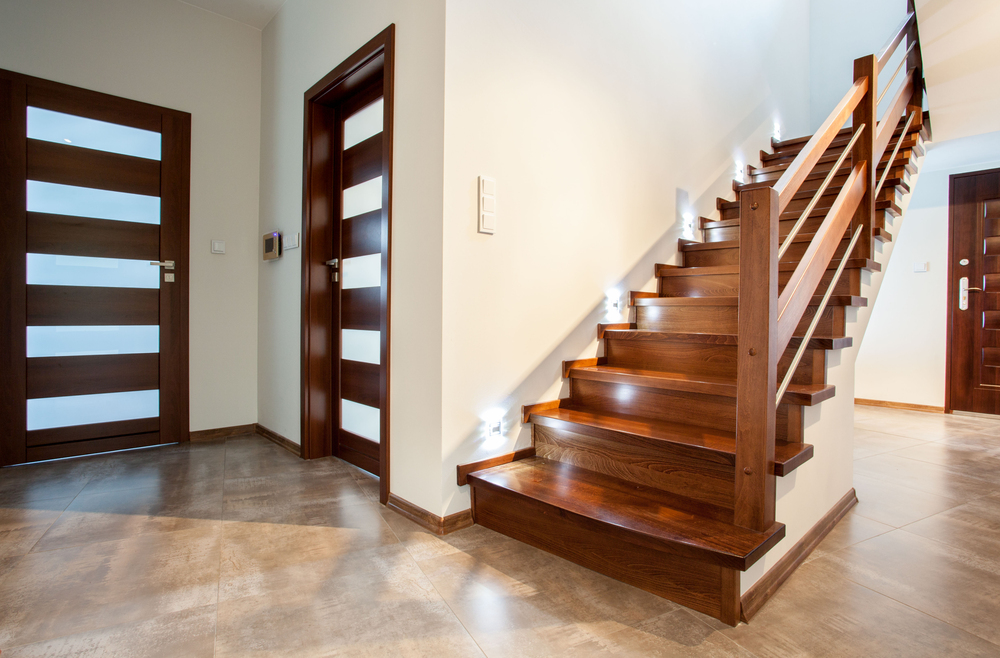
Staircases are more than functional structures; they are central to a home’s aesthetic and practicality. Whether renovating an existing staircase or installing a new one, understanding the terminology and components involved is essential for informed decision-making. This guide breaks down the most common terms used in staircase construction and balustrading, offering insights into their functions and significance. From treads to newel posts, these elements shape both the safety and style of a staircase, making them critical for homeowners, builders, and designers alike.
Core Staircase Components
Steps and Their Elements
The step is the foundation of any staircase, comprising the tread and riser. The tread is the horizontal surface where you place your foot, typically made from durable materials like hardwood or laminate for longevity and grip. The riser, the vertical part between treads, closes the gap between steps, though some staircases omit risers for an open, airy look.
The nosing, the protruding edge of the tread, extends beyond the riser, enhancing visibility and safety, especially in public buildings where it’s often a legal requirement. The run, combining the tread and nosing, defines the step’s total horizontal length.
Curtail and Bullnose Steps
At the base of a staircase, special steps add both function and flair. A curtail step, often wider and decoratively shaped, marks the staircase’s starting point, sometimes accommodating a volute—a scroll-like handrail detail. A bullnose step, similarly positioned at the bottom, features a quarter-circle design on one or both ends, adding elegance and a smooth transition into the staircase.
Pitch and Going
The pitch refers to the staircase’s angle of incline, a critical factor for safety and comfort. A steep pitch can be challenging, while a gentler slope improves usability. The pitch line is an imaginary line connecting the nosings of all treads in a flight. The going measures the horizontal distance between the faces of the first and last risers in a flight, with a minimum of 220mm recommended for domestic staircases. The individual rise, the vertical distance from one tread to the next, should not exceed 220mm to ensure ease of use.
Balustrading Essentials
Balustrade Overview
The balustrade encompasses the entire assembly of handrails, baserails, spindles, and newel posts, forming a protective and decorative barrier along the staircase. Available in materials like wood, glass, or metal, balustrades combine safety with style, often serving as a focal point in a home’s interior.
Handrails and Baserails
The handrail, also known as the banister, runs parallel to the staircase, providing support and stability. It sits atop spindles or is wall-mounted using brackets, with decorative caps adding a polished finish. The baserail, positioned at the bottom of the balustrade, rests on the string and supports the spindles, anchoring the assembly.
Spindles and Newel Posts
Spindles, or balusters, are vertical posts filling the space between the handrail and baserail, preventing falls while adding decorative appeal. Available in various designs, from simple to ornate, spindles are a key stylistic element. Newel posts, larger vertical beams at the top, bottom, or directional changes of the staircase, support the handrail and strings. Half newels, used where a staircase meets a wall, are smaller, while newel caps add a decorative top. A continuous newel post allows the handrail to flow seamlessly over it, creating a smooth, elegant line.
Strings and Structural Elements
Types of Strings
The string, or stringer board, is the structural panel on the staircase’s side, housing treads and risers. A closed string is trenched to conceal the tread and riser profiles, offering a sleek look. An open or cut string has its upper edge shaped to reveal the steps’ profile, creating a more open, modern aesthetic. The wall string, fixed flush against a wall, supports the inner side, while the outer string showcases the steps. String capping, a mould covering the top of the string near the wall, adds a refined finish. The string margin, the distance between the string’s top and the pitch line, measured at a 90-degree angle, ensures structural alignment.
Stairway and Overall Width
The stairway or stairwell is the space allocated for the staircase, ensuring sufficient room for safe passage. The overall width across strings (OAS) measures the staircase’s total width, critical for planning and compliance with building regulations. For domestic staircases, a minimum width of 860mm is recommended to ensure comfort and accessibility.
Special Features and Design Elements
Continuous Handrail and Volute
A continuous handrail, formed by connecting straight handrail lengths with fittings and ramps, flows over newel posts for a seamless, elegant look. A volute, often called a monkey’s tail, is a scroll-like detail at the handrail’s start, typically paired with a curtail step for a grand entrance. These features enhance both aesthetics and functionality, guiding users smoothly up the staircase.
Winders and Stelten
Winders are steps that taper at one end, used to change the staircase’s direction by 90 or 180 degrees, saving space while maintaining flow. Stelten, short for steel tenon, refers to a specialised handrail fixing used to secure handrails to newel posts, ensuring stability and durability.
Enhancing Your Staircase
Design and Aesthetic Impact
A staircase is often a home’s centrepiece, setting the tone for its interior. Thoughtful design, from ornate newel caps to stylish spindles, can transform a staircase into a statement piece. Materials like glass for balustrades or hardwood for treads add sophistication, while practical elements like nosing ensure safety. Accessories such as stair rods, carpet runners, or door thresholds provide finishing touches, elevating the overall look. For high-quality staircase components and inspiration, there are lots of websites you can visit for inspiration. One quick google search revealed this website https://staircrazy.co.uk/ and im sure theres is lots of other great resources out there.
Practical Considerations
When renovating or installing a staircase, understanding terminology helps navigate choices. For example, choosing between a closed or open string affects the staircase’s appearance and maintenance. Building regulations, such as maximum riser heights (220mm) and minimum going distances (220mm), ensure safety and compliance. Consulting with experts can clarify options, ensuring the staircase meets both aesthetic and functional needs.
Storage and Innovation
Modern staircases often incorporate innovative features, such as pull-out cabinets or storage slots beneath treads, maximising space in multi-storey homes. These additions blend practicality with design, making staircases both functional and visually appealing.
Bringing It All Together
Understanding staircase terminology empowers homeowners and builders to make informed decisions, whether updating a single component or designing a new staircase. From the structural integrity of strings to the decorative appeal of volutes, each element plays a role in creating a safe, stylish, and functional staircase. By combining high-quality materials, thoughtful design, and compliance with regulations, a staircase can become a lasting focal point, enhancing a home’s value and charm.