
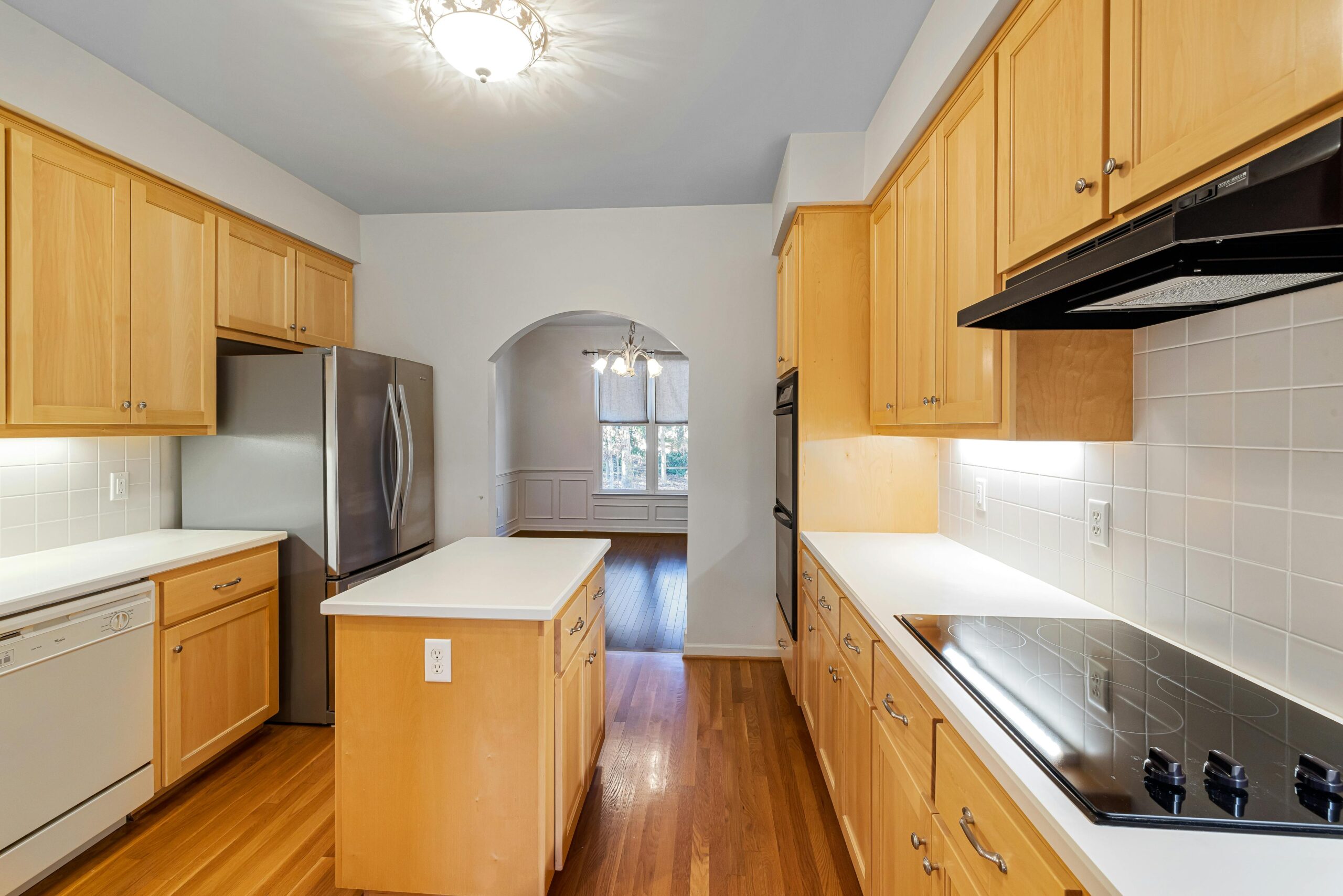
Your kitchen cabinets look tired. The doors have that slightly sticky feel from years of cooking steam & splashes, and that once-trendy sage green now screams 2003 rather than contemporary chic. Before you start browsing kitchen showrooms and mentally preparing for months of chaos, let me share something that might save you thousands: kitchen respraying could be your answer.
I discovered this myself three years ago when my own oak-effect units were driving me mad. The transformation was so dramatic that neighbours kept asking if I’d had a complete refit. Spoiler alert: I hadn’t.
What Exactly Is Kitchen Respraying
Kitchen respraying involves stripping your existing cabinet doors & drawer fronts, then applying multiple coats of high-quality paint using professional spray equipment. It’s not someone turning up with a can of Dulux and a brush — though I’ve seen cowboys attempt exactly that!
The process typically starts with removing all doors and hardware. Everything gets taken to a workshop where surfaces are thoroughly cleaned, sanded, and primed. Then comes the magic: layer upon layer of paint applied with precision spray guns, creating that smooth, factory-finish look.
Professional kitchen respraying companies use specialist paints — often the same ones used by high-end kitchen manufacturers. We’re talking about durable, hardwearing finishes that can handle daily kitchen abuse. The results? Cabinet doors that look brand new rather than obviously painted.
The Cost Comparison That’ll Shock You
Here’s what really opened my eyes: a full kitchen replacement typically costs between £8,000-£25,000. Professional respraying? Usually £1,200-£3,500 depending on kitchen size & complexity.
Let that sink in for a moment.
My neighbour spent £18,000 on her new kitchen last year. Beautiful, yes, but my resprayed version (which cost £1,800) gets just as many compliments. The quality difference? Honestly, most people can’t tell which kitchen is “new” and which is cleverly renewed.
But it’s not just about the upfront savings. Think about the hidden costs of full replacement: new worktops, potentially new appliances to match, flooring that suddenly looks wrong, redecorating the whole room because everything else seems shabby in comparison. These extras can easily double your budget.
Time Investment and Disruption Levels
Full kitchen replacements are notorious for overrunning. What starts as “two weeks maximum” often stretches into months of living off microwave meals & washing dishes in the bathroom sink.
Kitchen respraying is refreshingly different. Most jobs are completed within 5-7 working days. Your kitchen remains functional throughout — you’ll lose the doors temporarily, but the carcases stay put, so you can still access everything.
I remember the relief of still having my morning coffee routine uninterrupted. Small thing, perhaps, but these details matter when you’re maintaining some semblance of normal life.
The mess factor is minimal too. No skips outside, no constant stream of tradespeople tramping through your house, no dust covering every surface in adjacent rooms. Just a team carefully removing doors, then returning them transformed.
Quality Considerations and Realistic Expectations
Let’s be honest about limitations. Respraying works brilliantly on solid wood, MDF, and most painted surfaces. But if your units are falling apart, have severe water damage, or the doors are warped beyond redemption, no amount of paint will fix structural problems.
I’ve seen people disappointed because they expected miracles. Respraying refreshes and transforms, but it doesn’t redesign. Your kitchen layout stays the same, storage solutions remain unchanged, and that awkward corner cupboard you hate? Still awkward.
However, when conditions are right, the results are genuinely impressive. The finish quality from professional respraying often surpasses what you’d get with new budget kitchens. High-end paint systems create surfaces that resist chips, scratches, and staining better than many factory finishes.
Colour choice is virtually unlimited. Fancy that specific shade of navy that’s everywhere on Pinterest? No problem. Want to match existing tiles or soft furnishings exactly? They can usually accomodate custom colour matching.
Environmental Impact Worth Considering
Kitchen replacements generate massive waste. Perfectly functional cabinets end up in skips, heading for landfill sites across the country. It seems criminally wasteful when you think about it.
Respraying extends the life of existing units significantly. You’re essentially recycling what you already have, reducing demand for new materials and manufacturing processes. The environmental benefits aren’t negligible — though I’ll admit this wasn’t my primary motivation initially.
There’s also reduced transportation impact. Instead of lorries delivering new units, worktops, packaging materials etc., you’re looking at one van collecting and returning your doors.
Choosing the Right Professional Service
Not all kitchen respraying services are created equal. I learned this the hard way after getting quotes that varied wildly — not just in price, but in what was actually included.
Look for companies that remove doors to spray them in controlled workshop conditions rather than attempting to spray in your kitchen. In-situ spraying rarely achieves professional results & creates unnecessary mess.
Ask about paint systems specifically. Reputable companies use recognised brands like Teknos, Sayerlack, or similar professional-grade finishes. If they can’t tell you what paint they’re using, walk away.
Portfolio evidence is crucial. Any established company should have extensive before/after photos, ideally including some kitchens similar to yours. Don’t just rely on their website — ask for recent customer references.
Guarantees matter too. Professional respraying should come with at least a five-year warranty against peeling, chipping, or colour fade under normal use conditions.
When Respraying Might Not Be Right
Sometimes full replacement genuinely is the better option. If your kitchen layout is fundamentally wrong for how you cook and live, respraying just gives you a prettier version of the same problems.
Units that are genuinely worn out — hinges failing, shelves sagging, doors not closing properly — need more than cosmetic treatment. Similarly, if you’re dealing with serious structural issues like water damage or pest problems, address those first.
Style considerations matter too. If you’re desperate to move from traditional to ultra-modern styling, changing door profiles completely, then replacement offers more flexibility. Respraying works within existing architectural constraints.
Budget timing can influence decisions as well. If you’re planning to move house within the next couple of years, full kitchen replacement might offer better return on investment for sale purposes — though this varies hugely depending on local market conditions.
Final Thoughts
Kitchen respraying isn’t a compromise or second-best option — it’s a smart choice that delivers remarkable results for a fraction of replacement costs. The key is having realistic expectations & choosing experienced professionals.
My resprayed kitchen still looks fantastic three years later. Friends who visit are consistently surprised when I mention it’s not a complete refit. That satisfaction never gets old, especially when I calculate how much money I saved.
Before committing to expensive full replacement, seriously consider whether respraying could give you the fresh kitchen you’re craving. You might be surprised just how transformative a professional respray can be.