
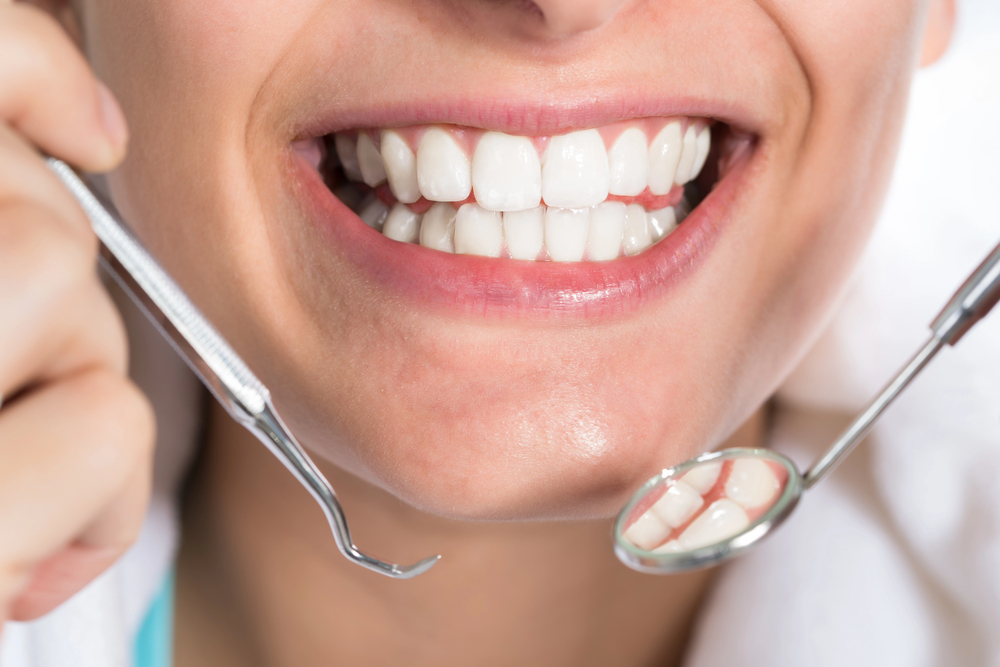
Replacing all your teeth with full mouth implants is a big step but one that might completely change how you feel about your smile. Whether you’re struggling with dentures or have multiple failing teeth, knowing what’s involved helps you plan ahead and feel more at ease. Keep reading to find out what your implant journey may involve and how to make the most informed choices.
What Are Full Mouth Dental Implants?
Full mouth dental implants offer a fixed, long-term option for those missing most or all of their teeth. Instead of placing individual implants for each tooth, a few strategically positioned implants support a full set of new teeth.
This provides a secure and more natural-feeling alternative to dentures. The final bridge is often made from zirconia, a durable material that resists stains and damage far better than plastic. With proper care, zirconia bridges may last well over ten years.
Preparing for Your Implant Procedure
The journey usually begins with a full assessment of your mouth. This can include scans, X-rays, and a look at your overall health. Dentists check if there’s enough bone to support the implants and whether any other treatments are needed first.
Depending on your case, you might be offered different options. These could include All on 4 implants, which use four implants to hold the bridge in place, or All on 6, which uses six for added support. Some patients may need a different approach, like zygomatic or pterygoid implants, which are used when bone levels are low in certain areas.
The Day of Surgery: What Happens?
The implant procedure is usually completed in a single day. After sedation or local anaesthetic, the implants are placed in the jaw, followed by a temporary bridge. You’ll leave with teeth in place. Many find the process more manageable than expected, with less discomfort and disruption than they initially imagined.
Healing and Recovery: The Next Few Weeks
After surgery, you might have some swelling or mild discomfort for a few days, but most people get back to their routines fairly quickly. Over the next few months, the implants bond with the bone in a process called osseointegration. During this time, you’ll wear a temporary bridge, attend check-ups, and have adjustments made as your healing progresses.
Final Fitting: Your New Smile
Once healing is complete, your final bridge is fitted. Made from strong, natural-looking zirconia, it’s shaped to match your bite and smile precisely. The result is a secure, comfortable fit that looks and feels like real teeth built to last for many years with proper care.
What Comes After?
Ongoing care is simple. You’ll need to brush daily, use any recommended cleaning tools, and attend regular check-ups. The bridge can’t get cavities, but your gums and implants still need to stay healthy. With the right upkeep, your implants might last for many years without needing major adjustments.
Taking the First Step
Choosing full mouth implants isn’t just about your teeth, but it’s also about your confidence, your comfort, and your daily quality of life. Speak to a trusted dental professional who can walk you through your options and help you decide what’s right for you.